Business
Petrol Hits ₦1,900/Litre as Depot Prices Surge Despite NNPC Cut

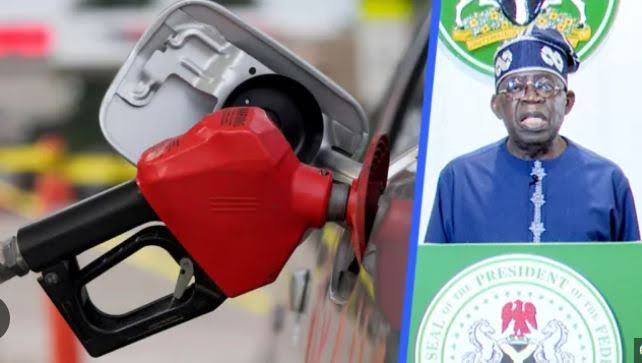
Petrol prices have surged to ₦1,900 per litre at several depots in Port Harcourt, highlighting renewed pressure in Nigeria’s downstream petroleum market despite the Nigerian National Petroleum Company Limited (NNPC) introducing a price-relief measure for consumers.
According to a report by Vanguard published on October 10, 2026, NIPCO raised its petrol depot price in Port Harcourt by ₦170 per litre, from ₦1,730 to ₦1,900. Six other depots also increased their prices to the same level.
The increases came amid rising international crude oil prices and concerns that higher wholesale costs could trigger further adjustments at filling stations.
Petrol prices rise across major cities

The report showed that depot prices increased across Port Harcourt, Lagos, Warri and Calabar, although the extent of the increases varied by location.
In Lagos, Masters raised its price to ₦1,350 per litre from ₦1,303, while Matrix increased its rate to ₦1,360 from ₦1,330.
In Calabar, Matrix raised its price to ₦1,370 per litre from ₦1,315. Meanwhile, several depots in Warri increased their prices to ₦1,360 per litre from ₦1,315.
The price increases demonstrate the differences between wholesale depot prices and retail pump prices across Nigeria’s petroleum supply chain.
NNPC introduces temporary relief
The price increases coincide with a government-backed intervention intended to cushion the impact of rising fuel costs on Nigerian households.
On October 9, the Presidency announced that NNPC Retail would forgo its petrol retail profit margin and sell fuel at cost for 30 days. The measure is intended to reduce the burden of global oil price shocks, particularly on vulnerable households and commercial transport operators.
However, the discount arrangement does not automatically translate into lower prices at every filling station, as retail prices depend on supply arrangements, operating costs and the applicable discount conditions.
Global oil prices add to market pressure
Brent crude rose to $104.50 per barrel in the latest market assessment cited by Vanguard, while West Texas Intermediate increased to $91.73 per barrel.
Higher international oil prices can increase the cost of replacing fuel supplies, putting pressure on domestic depot operators and marketers.
Nevertheless, crude oil prices are not the only factor determining petrol prices in Nigeria. Exchange rates, financing expenses, logistics, inventory costs and competition among suppliers can also influence the final price paid by motorists.
Nigerians face continuing cost-of-living pressure
The latest increases pose further challenges for households and businesses already dealing with elevated transportation and operating costs.
Higher petrol prices can raise commercial transport fares and the cost of distributing food and other essential goods. Businesses that rely on petrol-powered vehicles and generators may also face additional expenses, potentially passing some of those costs on to consumers.
The key question is whether the government’s temporary relief measures will provide meaningful savings to motorists while wholesale fuel prices remain volatile.
For now, petrol prices continue to vary significantly by location and retailer, with the ₦1,900-per-litre figure reported at several Port Harcourt depots rather than as a uniform nationwide pump price.
-

 News15 hours ago
Tinubu’s Case: FG paying US lobbying firm $750,000 monthly — Court papers
-
Politics15 hours ago
We’ll make campaign difficult for ‘lunatic’ Amaechi in Rivers if he keeps insulting Tinubu’s supporters – Wike
-
Business23 hours ago
Why Elon Musk is taking on India’s richest man over Starlink
-
Business19 hours ago
Hot money props Nigeria’s FX reserves with export earnings aloof
-
African News19 hours ago
South Africa withdraws asylum directive after xenophobic clashes
-
News19 hours ago
JUST IN: Police confirm abduction of three workers at Oyo Institute
-
News23 hours ago
Igbo youths’ apathy may leave military without Igbo officers — Nwachukwu
-
Business23 hours ago
Femi Otedola gains N1.48 trillion in Q3 2026