Business
Grid failure: Lagos relies on 4.5m generators, Ogunleye says

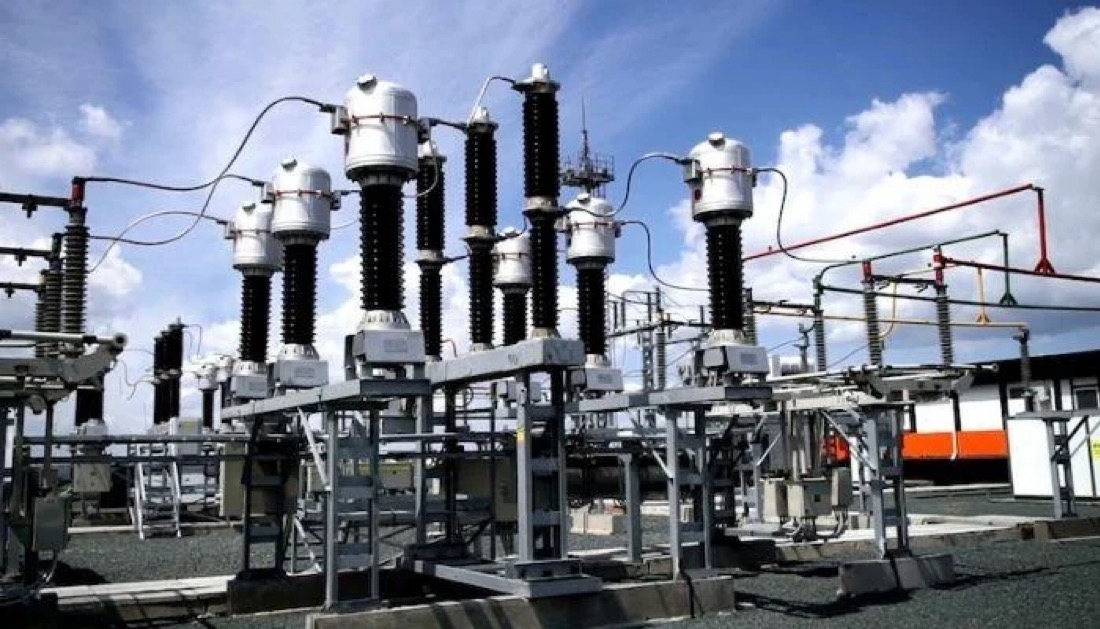
Lagos State depends on an estimated 4.5 million fossil-fuel generator sets as the national grid meets only about 20 per cent of electricity demand in the state, the Commissioner for Energy and Mineral Resources, Biodun Ogunleye, has disclosed.
The widespread reliance on generators drives up energy costs for businesses and residents, while worsening noise and environmental pollution, according to the commissioner.
Delivering the lead presentation recently at a panel on Urban Renewal, Regeneration and the Transformation of Older Cities, Ogunleye cited a 2024 study by Sustainable Energy for All and the Lagos State Government, which estimated that about 4.5 million fossil-fuel generator sets operate in Lagos.
The study also put annual carbon dioxide equivalent emissions from generators in the state at an estimated 39 million tonnes.

Describing unreliable electricity as “the invisible constraint” on urban productivity, Ogunleye argued that the scale of generator dependence had created an expensive parallel energy infrastructure.
“The generator is not merely a backup device; at scale, it becomes an expensive parallel urban infrastructure system,” he said.
He advocated a shift from what he termed a “generator-powered district”, characterised by high fuel costs, noise, pollution and uneven reliability, to a serviced district supported by networked electricity, shared infrastructure, measured service standards and utility planning linked to land use.
According to the commissioner, dependable energy infrastructure should be located where people already live, work and trade.
Ogunleye highlighted two projects as examples of neighbourhood-scale electricity infrastructure that could improve power supply to businesses and public services.
According to him, Victoria Island Power, a commercial district upgrade with 40MW of planned embedded capacity and a 12.6km dedicated underground feeder network, is under development to supply businesses in the area.
He also disclosed that the Akute independent power plant, an existing dormant asset with 26MW of base contracted capacity, is scheduled for rehabilitation under a concession agreement in 2026 to supply public services.
Turning to the broader challenge of urban regeneration, the commissioner stressed that renewing older cities required more than reconstructing roads and buildings. Reliable electricity, water, sanitation and other essential services, he maintained, were central to making urban centres productive and liveable.
“An older city does not need a new identity. It needs a new operating system. Renewal is not the demolition of the past. It is the restoration of the city’s ability to serve the future,” he noted.
He identified pressures reshaping established urban districts, including ageing and overloaded power, water and sanitation networks; climate exposure from flooding and heat; competing demands for land from housing, commerce and mobility; housing affordability, overcrowding and others.
His proposed six-part framework for urban regeneration covers physical infrastructure, utilities such as power, water, waste and digital services, economic activity, social protection and housing, cultural heritage, and climate resilience.
Ogunleye cited ongoing road, drainage and collector reconstruction across parts of Lagos Island as an example of the state’s urban renewal efforts.
The projects aim to reduce recurring flooding and improve movement and commercial activities in the historic core, while managing construction disruption, coordinating utility relocation and protecting traders and heritage.
On the social impact of regeneration, he emphasised that existing residents must be able to remain and prosper in renewed neighbourhoods.
Addressing electricity market reforms, Ogunleye traced the state’s institutional groundwork to the 2024 Lagos State Electricity Law, followed by the establishment of the Lagos State Electricity Regulatory Commission and the Lagos Independent System Operator in 2025–26.
Work on investment, licensing, contracting and consumer protection is ongoing, he added, saying, “An energy market is an instrument of urban policy, not an end in itself.”
On financing, the commissioner proposed that urban districts should be planned as single units, with roads, drainage, power, water and land use coordinated before procurement.
Under his proposal, public capital would fund common infrastructure, while private investment and public-private partnerships would finance service assets.
He further advocated contracts that reward outcomes such as electricity reliability, maintenance and resilience rather than construction alone, with safeguards for affordability and local commerce.(Punch)
-

 News7 hours ago
Amidst heatwave, electricity supply shortage bites harder
-
News7 hours ago
Soldier, pregnant woman killed, 15 abducted in Taraba
-
World News6 hours ago
‘Trump voters were angry’ — JD Vance blames Iran war for Republican losses in US mid-terms
-
Sports7 hours ago
Nigeria defeat Brazil to reach first-ever women’s U-17 World Cup final
-
News7 hours ago
State police: Six assemblies face Nov 15 approval deadline
-
Politics7 hours ago
ADC says Atiku’s Sokoto rally turnout shows growing discontent with Tinubu
-
Business7 hours ago
Airfares jump by 200% ahead of festive season
-
Politics7 hours ago
2027: Obasanjo’s son backs Tinubu’s re-election