News
Gas Network Not Responsible for Drop in Electricity – NNPC Counters Power Minister

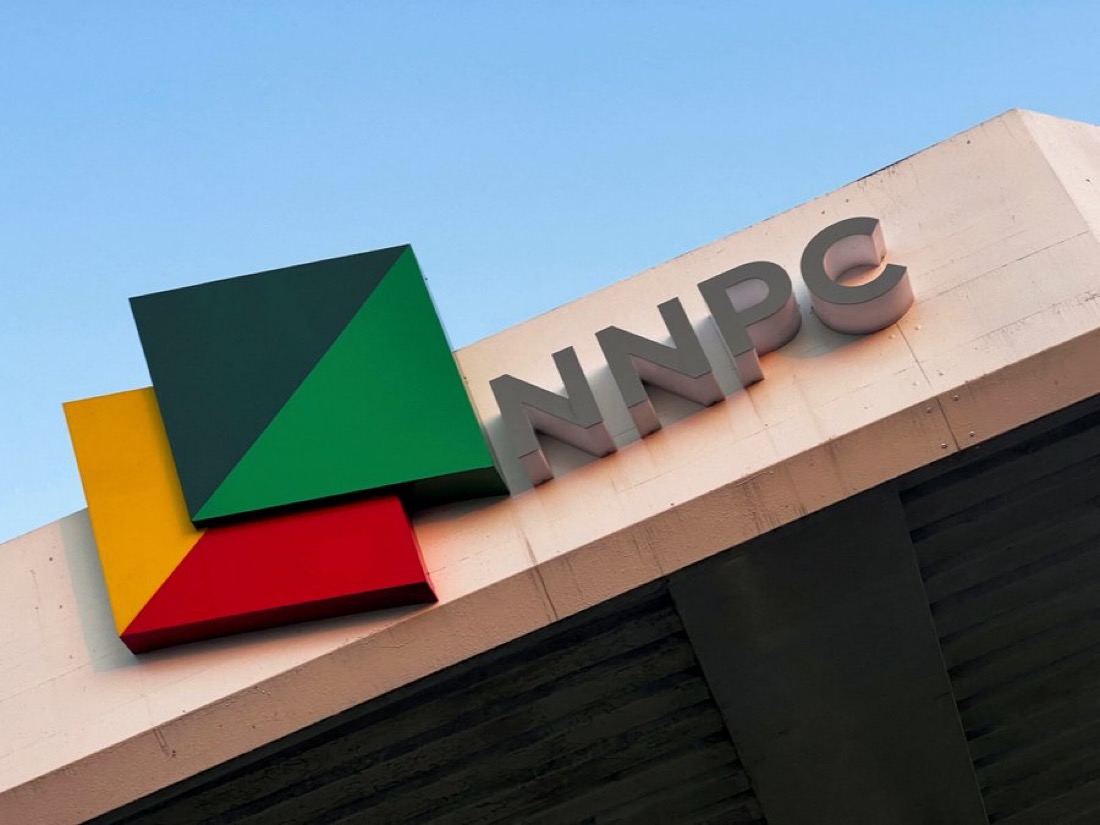
Nigeria’s worsening electricity supply crisis has triggered a fresh disagreement between the Nigerian National Petroleum Company Limited (NNPC) and the Federal Government’s power authorities, with the national oil company disputing claims that constraints in the gas transportation network are contributing to declining electricity generation.
In a statement issued on November 7, 2026, NNPC insisted that its gas transportation infrastructure remains fully operational and is not responsible for the recent reduction in electricity generation across the country.
The company said operational records of its subsidiary, NNPC Gas Infrastructure Company Limited (NGIC), showed no transportation-related constraints capable of explaining the decline in power generation.
The clarification directly challenges the position earlier communicated by the Nigerian Independent System Operator (NISO), which identified limited gas availability and reduced water inflows into hydroelectric reservoirs as major factors behind the current electricity shortfall.

NNPC insists gas infrastructure is not the problem
According to NNPC, Nigeria’s gas production has increased by approximately 10 per cent year-to-date in 2026, reflecting efforts to expand gas production and support the Federal Government’s gas development and monetisation agenda.
The company, however, emphasised that the availability of gas transportation infrastructure should not be confused with actual gas production, commercial supply arrangements or deliveries to individual power stations.
NNPC argued that even when pipelines are available, other factors could prevent power-generating companies from receiving sufficient gas or converting available gas into electricity.
It identified generating plant availability, maintenance schedules and actual gas offtake as critical areas requiring investigation.
The national oil company consequently called for a coordinated review involving gas suppliers, transporters, electricity generators and NISO to establish the actual causes of the generation shortfall.
What the Power Ministry and NISO said
The disagreement follows concerns raised by NISO on November 5, which attributed declining electricity generation partly to inadequate gas availability for thermal power stations and reduced water inflows affecting hydroelectric plants.
Power Minister Joseph Tegbe also identified planned maintenance at Egbin Power Station, gas supply constraints affecting some thermal power plants and sabotage of key transmission lines as contributing factors.
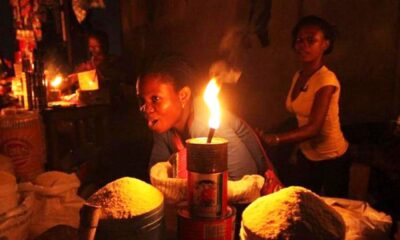
These challenges have reportedly affected electricity supply in Lagos, Abuja, Kwara and Oyo, leaving households and businesses struggling with prolonged outages.
The minister subsequently promised that electricity supply in the affected areas would improve, with some generating units expected to return to operation within 48 to 72 hours.
The bigger problem: Who is responsible for Nigeria’s electricity crisis?
The disagreement between NNPC and the power authorities highlights a fundamental problem with Nigeria’s electricity sector: the difficulty of establishing accountability across the entire electricity value chain.
Nigeria has enormous natural gas resources, yet its electricity generation remains significantly below the country’s potential.
The gas-to-power chain involves several stages:
•Gas production: Oil and gas companies must produce sufficient quantities of natural gas.
•Gas transportation: Pipelines must deliver the gas to power-generating stations.
•Gas supply payments: Commercial arrangements must ensure suppliers are willing and able to deliver gas.
•Power generation: Generating companies must maintain functional plants capable of converting gas into electricity.
•Transmission: The national grid must transport generated electricity.
•Distribution: Electricity distribution companies must deliver available power to consumers.
A breakdown at any of these stages can affect electricity supply.
This is why NNPC’s clarification, although important, does not necessarily establish that gas availability is not contributing to the electricity crisis. An operational pipeline does not automatically mean sufficient gas is being delivered to power stations.
Similarly, increased gas production does not automatically translate into increased electricity generation.
Nigerians deserve answers, not institutional blame games
The latest disagreement raises important questions about transparency and accountability in the electricity sector.
If NNPC maintains that its transportation infrastructure is operating without constraints, the company should publish relevant operational data showing actual gas volumes delivered to power stations.
The power authorities and NISO should equally provide figures showing gas requirements, actual deliveries, generation capacity, plant outages and the reasons generating companies cannot operate at available capacity.
Without such information, Nigerians are left with competing explanations while continuing to spend heavily on alternative electricity sources.
Ultimately, the responsibility of these institutions is not simply to explain why electricity generation is declining but to ensure that the country’s enormous energy resources translate into reliable electricity for millions of households and businesses.
Nigeria does not merely have a gas problem or a transmission problem. It has an electricity-sector accountability problem that requires urgent and coordinated attention.
-

 Politics11 hours ago
As Elections Near, Darkness Tests Tinubu’s Record
-
African News12 hours ago
Ebola: DRC Records 10,668 Cases, 5,198 Deaths, Says WHO
-
Business12 hours ago
Between Peter Obi and Tompolo
-
Politics11 hours ago
Hope you’ll visit 33 other states after Akwa Ibom ‘sleep’ – Obi tells Tinubu
-
Politics12 hours ago
I Have Seen the Light – Okowa Gives Reason Why He Ditched Atiku
-
Sports11 hours ago
Nigeria’s Flamingos Win Historic 2026 U17 Women’s World Cup, Beat Japan 2-1
-
Opinion12 hours ago
Judiciary Must Protect This Democracy
-
News11 hours ago
How Adeboye ordered return of billions traced to RCCG within 24 hours — EFCC boss