
Politics
Northern group cautions clerics against turning pulpits to campaign platforms

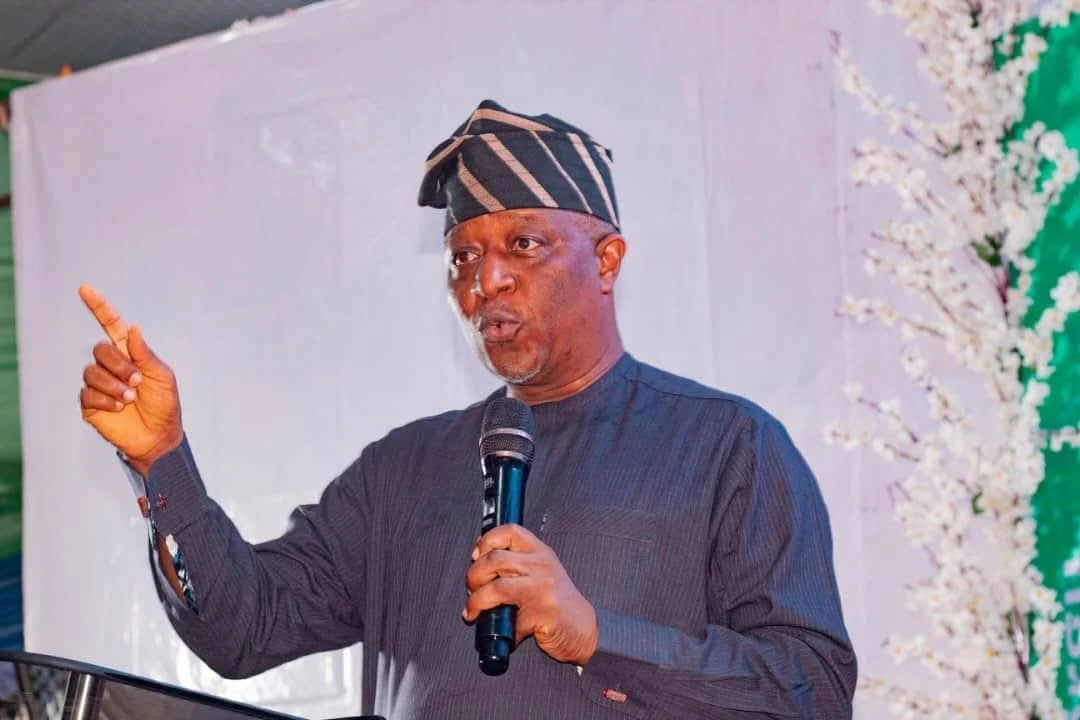
The Northern Nigeria Minorities Group has warned religious institutions against turning their pulpits and minbars into platforms for partisan mobilisation ahead of the 2027 general elections, cautioning that such involvement could threaten national unity and democratic stability.
The group also called on political actors, particularly opposition politicians, to resist attempts to exploit religious and ethnic sentiments for electoral gains, insisting that political ambition should not come at the expense of national cohesion.
NNMG, which said it represents more than 200 minority communities across Northern Nigeria and the Federal Capital Territory, made its position known through its convener, Chief Jacob Edi, while addressing journalists in Abuja on Tuesday.
Edi, the Kakaki of Bassange, expressed concern over what he described as the growing intrusion of religious institutions into partisan politics as preparations for the 2027 elections gather momentum.

While acknowledging the right of religious organisations to express opinions on issues of public interest, the group said such engagement must be distinguished from partisan interference.
“Religious leaders must also recognise the boundaries between spiritual responsibility and partisan political engagement. Politics belongs to politicians, political parties and the electorate,” Edit said.
The group urged religious institutions to concentrate on their spiritual responsibilities, moral enlightenment, interfaith harmony and prayers for national peace rather than compete with political parties for political relevance.
It warned that the use of religious platforms to mobilise support for or against political interests could deepen divisions in an already polarised political environment.
NNMG also cautioned religious leaders against making pronouncements capable of undermining the legitimacy of electoral outcomes or public institutions on sectarian grounds.
“No religious institution has the exclusive prerogative to determine Nigeria’s political direction or pronounce on the legitimacy of public appointments and electoral outcomes,” the group added.
It noted that electoral legitimacy derives from the Constitution and established legal processes, not religious endorsement or clerical verdicts.
“The Independent National Electoral Commission is a national institution, not a religious establishment. Its credibility must be judged by its independence, transparency, impartiality and adherence to its constitutional mandate, not the religious persuasion of its leadership. Nigeria is a constitutional republic, not a theocracy,” the group warned.
Beyond religious institutions, the association urged opposition politicians to conduct their activities within the confines of the law, warning against attempts to heat up the polity for electoral advantage.
It maintained that while opposition was indispensable to democracy, political ambition did not confer the right to disregard the law or engage in activities capable of destabilising the country.
“Heating the polity merely to harvest votes will inflict incalculable damage on national cohesion and democratic stability,” it warned.
The group also appealed to President Bola Tinubu to caution individuals within his political circle against allegedly using their proximity to power and the President’s name to secure lucrative government contracts.
While commending Tinubu for what it described as the creation of a level playing field for political competition, despite allegations to the contrary by sections of the opposition, NNMG said alleged abuses of presidential goodwill could undermine public confidence in the administration.
It promised to make available, at the appropriate time, information concerning the alleged practices, insisting that nobody should exploit the President’s name for personal enrichment.
“No one should trade on the President’s name for private enrichment,” it said.
Reaffirming its commitment to inclusion, equity, religious tolerance and peaceful coexistence, NNMG rejected the exploitation of ethnic and religious identities for political expediency.
The group called on the president, opposition leaders, religious institutions and other political actors to exercise restraint, respect constitutional institutions and place national interest above personal, partisan and sectarian considerations.
“Nigeria belongs to all its citizens. No individual, religion, ethnicity or interest group has a superior claim to the Nigerian state,” it said.
The intervention comes as political activities ahead of the 2027 general elections increasingly draw attention to the role of religious and ethnic identities in political mobilisation.
Nigeria’s religious diversity and longstanding debates over representation, political appointments and the neutrality of public institutions have frequently featured in the country’s electoral discourse, making calls for restraint and peaceful political engagement particularly significant.(Punch)
-

 News24 hours ago
‘Your entire generation will pay’ — Obasanjo fumes over Nigeria’s increasing debt
-
Metro3 hours ago
Court scolds EFCC, discharges Mompha over alleged N6 billion money laundering
-
 News24 hours ago
Rising food prices: Workers turn to ‘mama put’ restaurants for affordable meals
-
Business23 hours ago
Rice prices rise as foreign brands hit N90,000
-
Metro24 hours ago
UK man convicted of fraud for secretly working five government jobs at once
-
News3 hours ago
FG raises the alarm over carbide-ripened fruits, paracetamol-treated meat in markets
-
Business3 hours ago
NERC Approves N30bn To Meter Band A, B Customers
-
Metro17 hours ago
Madonna University: 15 nursing students beg for expulsion, suspension reversal over TikTok video