
Business
BREAKING: Nigeria’s Inflation Rate Drops to 14.06% in October 2026

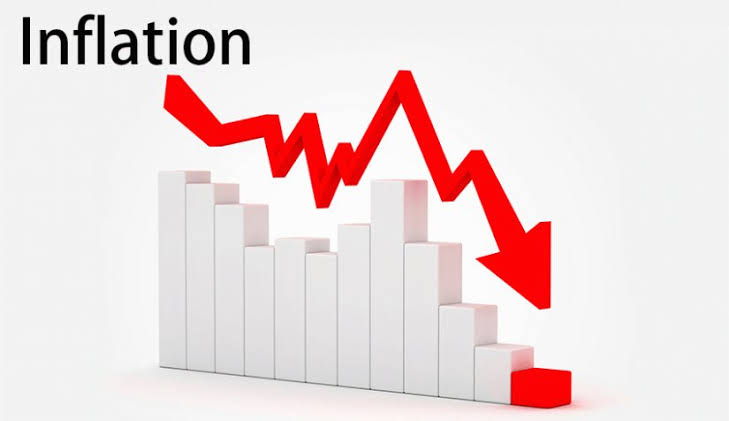
Nigeria’s headline inflation rate has declined further to 14.06 per cent in October 2026, down from 14.63 per cent recorded in September, signalling a continued moderation in inflationary pressures across Africa’s largest economy.
The latest figures were released by the National Bureau of Statistics (NBS) in its October 2026 Consumer Price Index report on Monday, November 16.
The new figure represents a decline of 0.57 percentage points month-on-month and a significant reduction from the 18.97 per cent recorded in October 2025.

Food and Core Inflation Also Decline
Food inflation declined to 19.13 per cent in October from 19.59 per cent in September, providing some relief amid persistent concerns about the cost of food across the country.
Core inflation, which excludes agricultural produce and energy prices, also dropped significantly to 10.78 per cent from 12.95 per cent in September.
The moderation has been attributed to improved food supply following the harvest season, relative stability in the naira and comparatively stable petroleum prices.
A Cautionary Sign: Prices Are Still Rising
Despite the improvement in annual inflation, the figures reveal an important concern.
Month-on-month headline inflation accelerated to 0.43 per cent in October from 0.06 per cent in September.
This means that although prices are increasing more slowly compared with the same period last year, the pace of price increases actually accelerated between September and October.
Food inflation also remains high at 19.13 per cent, meaning Nigerian households are still facing considerable pressure on their purchasing power.
What Does This Mean for Tinubu’s Government?
The latest inflation figures offer an important economic boost to the Tinubu administration, particularly as the country approaches the 2027 general elections.
The decline suggests that some of the inflationary pressures experienced following the removal of petrol subsidies and foreign exchange reforms are easing.
However, lower inflation does not mean that prices have returned to previous levels. It simply means that the rate at which prices are increasing has slowed.
The real test for the government will be whether this disinflation translates into cheaper food, improved purchasing power, higher household incomes and a better standard of living for Nigerians.
-

 Business11 hours ago
FG settles ₦1.23trn electricity debt, says Power Minister
-
Politics11 hours ago
Imposing Tinubu in 2027 will trigger crisis — Ex-APC spokesman
-
News11 hours ago
More deaths, abductions in Zamfara, Sokoto
-
Business11 hours ago
How High Cost Of Feed Is Killing Poultries – Report
-
Business11 hours ago
EXPLAINER: The Difference Between FG’s Newly Secured $500m And Fresh $500m Loan Request
-
Politics11 hours ago
Thugs attack Kwankwaso’s convoy in Kano
-
News11 hours ago
Igbokoda Crash: NAF recovers black box, holds memorial November 26
-
Politics11 hours ago
I’m running to complete South’s remaining 4 years — Makinde