News
FG Probes Flesh-Eating Disease Killing Adamawa Residents

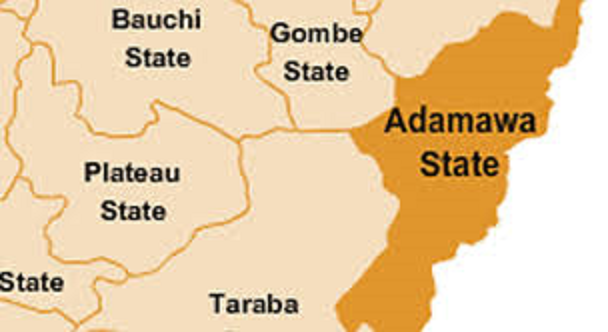
The Federal Government has begun laboratory investigations to determine the exact cause of a strange flesh-eating disease that has killed seven people in Malabu, Adamawa State.
Dr Adesigbin Olufemi, Acting National Coordinator of the National Tuberculosis, Buruli Ulcer and Leprosy Control Programme, disclosed this during an interview with the News Agency of Nigeria (NAN) on Sunday in Abuja.
Olufemi said that as of September 10, there were 67 confirmed cases, with eight patients undergoing surgical treatment at the Modibbo Adama University Teaching Hospital (MAUTH), Yola.
“These are undergoing surgical treatment with the support of the government,” he said, emphasising the coordinated efforts to manage the medical emergency in affected communities.

NAN reports that the disease often begins as a boil, later bursts, and then gradually eats away flesh, sometimes damaging the bones in the affected area.
Olufemi stated that although the exact cause remained unknown, Buruli Ulcer was suspected.
“This tropical disease is still under investigation for confirmation.”
He explained that Buruli Ulcer is caused by Mycobacterium ulcerans, a bacterium commonly found in swampy environments and around stagnant riverine ecosystems.
“Up till now, nobody is sure exactly how it is transmitted. Some theories suggest insects like water fleas or mosquitoes may inoculate individuals when they bite,” Olufemi added.
The coordinator hailed the proactive response of the Adamawa State Government, alongside support from federal agencies and non-governmental partner REDAID, which arrived on site on Sept. 14.
He said patients with mild symptoms were being treated at local health centres, while severe cases requiring surgery had been referred to specialised hospitals.
Olufemi highlighted that public sensitisation was key, especially as some residents initially blamed the disease on witchcraft, leading to delays in seeking proper treatment.
“One of the things that is very important, and that’s what we are doing, is to continue to create awareness,” he said, urging residents to seek medical care early.
He noted that Malabu was a remote community, located about two hours from Yola, with poor road access, making swift medical response more difficult.
Olufemi stressed that long-term health security required more than medical care, it also included access to clean water and improved sanitation in rural communities.
“People will not need to go to those rivers to fetch water if they have pipe-borne or borehole water around them. That way, they are less exposed,” he explained.
He assured the public that the federal and state governments, supported by health partners, remained committed to treating patients and curbing further transmission.
The World Health Organisation recognises Buruli Ulcer as one of the world’s most neglected tropical diseases, mostly affecting rural, riverine communities with limited access to healthcare. (NAN)
-

 Metro19 hours ago
Convicted murderer in Nigerian prison hosts TikTok live sessions, runs businesses
-
News3 hours ago
How Tinubu’s Subsidy Removal Saved ₦53tn — Adedeji
-
News4 hours ago
PFIPC scandal: Adeyemi demands media, lawyers’ presence before Reps probe
-
Business22 hours ago
Geregu misses N40bn bond payments, raises fresh investor concerns
-
Politics4 hours ago
Atiku accuses Obasanjo of 20-year campaign of lies, deceit
-
News4 hours ago
Alfred Kasunmu, former Lagos attorney-general, is dead
-
World News23 hours ago
Iran issues demands for reopening of Hormuz
-
News3 hours ago
570 killed in 596 security incidents in July – Report