Business
Nigeria loses up to $10bn annually to post-harvest waste — Agritech firm

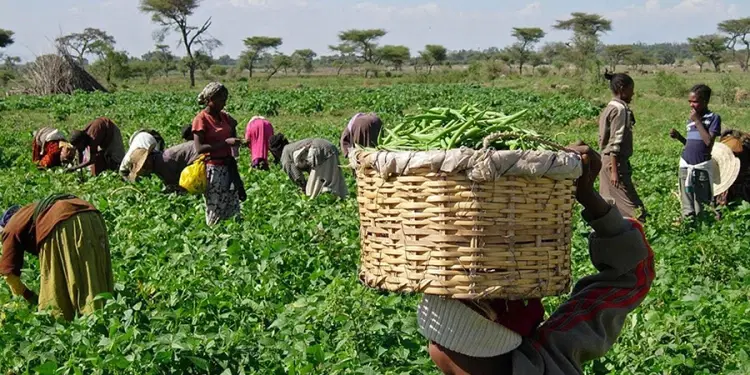
Nigeria is losing an estimated $9–10 billion annually to post-harvest waste — a massive drain that experts say is undermining food security, reducing farmers’ incomes and slowing economic growth.
The warning was issued by Segun Alabi, Chief Executive Officer of Davidorlah Nigeria Limited, an agritech firm leading large-scale pineapple farming and fruit concentrate production in West Africa.
Alabi, whose company operates Davidorlah Farms, the largest pineapple farm estate in the sub-region, said the losses arise from “suboptimal harvesting practices, inadequate storage, poor transportation systems, and limited processing capacities,” which cause 30 to 50 percent of Nigeria’s agricultural output to perish every year.
“What Nigeria loses annually to post-harvest waste is enough to transform the agricultural sector and significantly boost GDP if properly managed,” he said while briefing journalists in Abuja.

He stressed that addressing the crisis requires urgent investments in modern storage systems, cold-chain infrastructure, silos, and decentralized processing hubs to extend the shelf life of perishable crops. Alabi also highlighted the need for farmer training, improved rural roads, affordable preservation technologies such as solar dryers, and supportive government policies.
According to him, reducing agricultural waste would immediately strengthen the economy by increasing marketable produce, expanding export opportunities and improving food security.
“When farmers retain more value from what they plant, the entire value chain grows. This means higher national productivity, better rural livelihoods, and a more resilient agricultural sector,” he said.
Alabi noted that effective waste-reduction strategies could create thousands of new jobs in logistics, storage management, food processing, equipment manufacturing and farmer-training services — especially benefiting women and young people in rural areas.
He also pointed to environmental gains, noting that cutting waste would reduce pressure on land and water resources while lowering greenhouse-gas emissions from decomposing organic matter. Waste-to-wealth opportunities — including composting, organic fertilizers, animal feed, bioenergy and bioplastics — offer “new and profitable frontiers for entrepreneurs,” he added.
Alabi called for a national policy shift, warning that Nigeria “cannot continue to lose billions of dollars every year to waste when those same losses represent enormous opportunities for wealth creation.”
He urged the government to lead investments and create an enabling environment for innovation, stressing that the future of Nigeria’s agriculture depends on how quickly the country confronts the post-harvest waste crisis.
-

 Business7 hours ago
Dangote exports 87% of aviation fuel output as Nigeria records zero imports
-
Business7 hours ago
Nigeria’s $100 oil strengthens the case for freezing Gazelle crude
-
News23 hours ago
Landlords Pay Rent As Insecurity Triggers Housing Crisis In Kaduna
-
News7 hours ago
Ondo Crash: Residents Fear Disease Outbreak As Body Parts Float
-
Politics7 hours ago
S’ Court ruling: INEC gives Oct. 24 deadline for parties to submit omitted candidates
-
Entertainment7 hours ago
Ex-gang leader sentenced to minimum 40 years for Tupac murder
-
Politics7 hours ago
Opposition dares Tinubu, says Wike, Soludo inclusion won’t save APC
-
News7 hours ago
NAFDAC bursts Trade Fair Complex den of fake energy drinks, wine, whisky ‘manufacture’