Politics
2027 election: A referendum on Tinubu’s reforms, legacy?

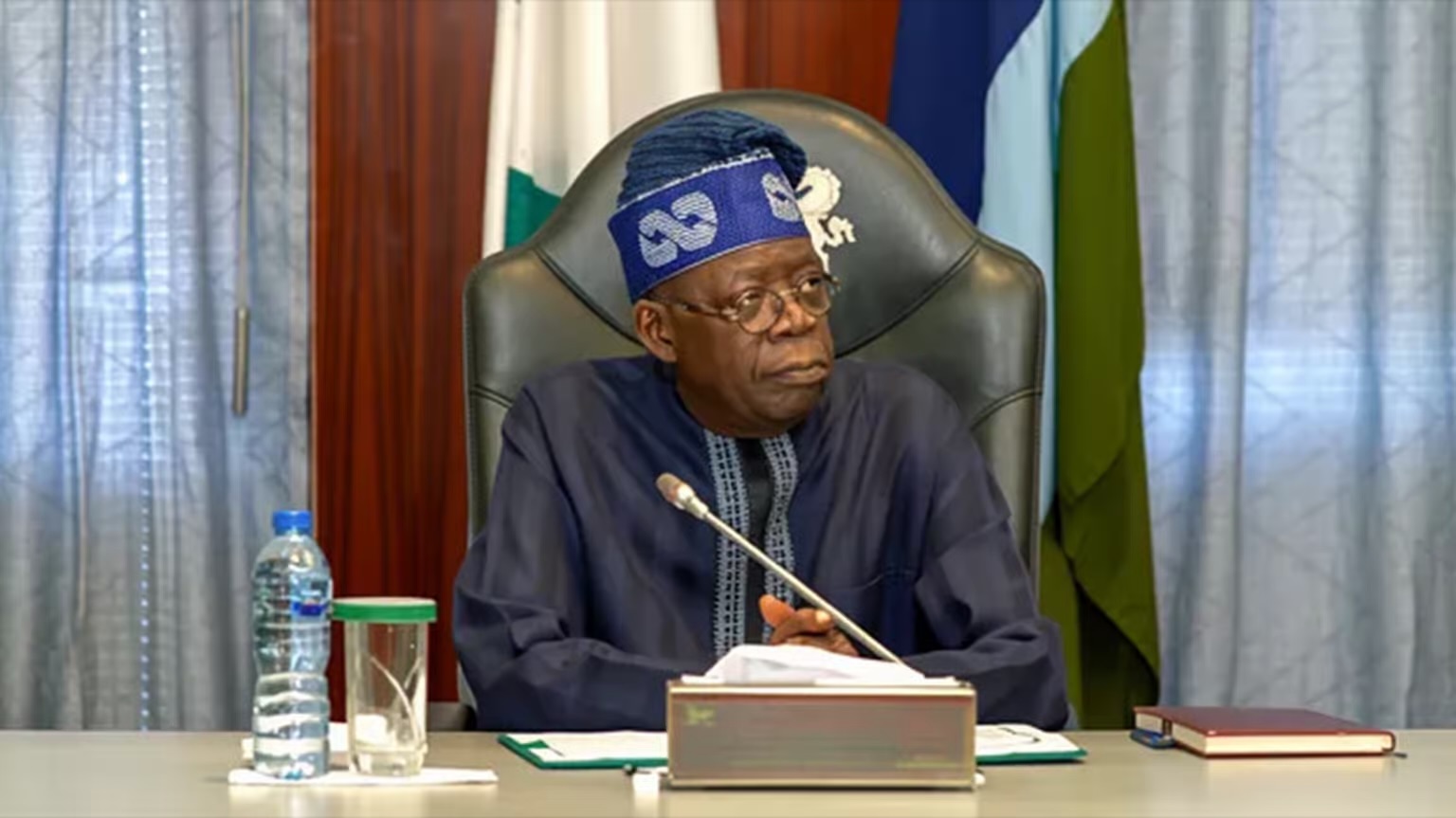
Presidential campaign rallies for the next election may differ from traditional promises made by aspirants. Much more germane to the public, and an opportunity for the opposition, is Mr President’s accountability of the first term in office, and how the APC foot soldiers will defend its outcomes, SEYE OLUMIDE reports.
As Nigeria inches toward the 2027 general elections, it is becoming increasingly clear that the contest will not be fought primarily on promises of what candidates intend to do, but on interpretations of what has already been done.
For President Bola Ahmed Tinubu and the All Progressives Congress (APC), the defining question of the next electoral cycle is no longer whether reforms were necessary, but whether Nigerians can be persuaded that the pain of reform was purposeful, fairly shared, and ultimately redemptive.
From the first day in office, Mr Tinubu has chosen to flourish where his predecessors dared not tread. First, he announced the removal of the fuel subsidy in his public statement. Next, he unified the erratic foreign exchange regime. Further, he tightened the tax net and reformed it entirely. Subsequently, public-sector inefficiencies were addressed through rationalisation and cost-cutting.

These were not cosmetic changes. They were shock-therapy reforms, designed to reset a structurally weak economy that had been running on borrowed time, borrowed money, and borrowed illusions.
Yet politics rarely rewards courage automatically. Instead of engaging the economic logic of these reforms, opposition politicians have focused almost exclusively on their social consequences, weaponising hardship as a political tool.
As 2027 approaches, this strategy is becoming more sophisticated, more emotional, and more dangerous, not just for APC’s electoral fortunes, but for national cohesion itself.
How the opposition is twisting Tinubu’s policies
ALTHOUGH the majority of opposition members agree with some of the hard-core policies of President Tinubu, their campaign against those reforms is not anchored in proposing credible alternatives. Rather, it is built on reframing, rebranding, and emotionally re-engineering public perception. At the heart of this effort are three strategic approaches.
First is the deliberate reframing of reforms as punishment rather than correction. Policies designed as structural fixes for long-standing economic distortions are being portrayed as deliberate acts of cruelty.
Fuel subsidy removal, long recognised by economists as fiscally unsustainable, is no longer discussed as a necessary correction but as a heartless decision imposed by an elite government indifferent to suffering.
Foreign exchange unification, intended to end rent-seeking and arbitrage, is presented as a scheme that benefits bankers, importers, and big businesses in Lagos while crushing small traders and salary earners.
The opposition’s message is stark and emotionally efficient: APC knows exactly what it is doing, and it simply does not care. In this narrative, hardship is not transitional; it is intentional. Pain is not a cost of reform; it is proof of malice. This framing does not require economic sophistication to spread. It thrives precisely because it appeals to lived frustration.
The opposition is also working towards deploying ethnic and regional coding of economic pain in the coming campaign.
Economic hardship is quietly being translated into identity grievance. Rising transport costs are framed as an assault on Northern traders and transporters who rely on long-distance haulage. Food inflation is cited as evidence that farmers are being abandoned while coastal elites continue to import and consume. Security funding gaps are woven into claims that the North is paying the price for Tinubu’s political priorities.
This form of coding is politically potent because identity grievances mobilise more effectively than macroeconomic explanations. Statistics can be debated; identity cannot.
By framing economic distress in regional and ethnic terms, opposition politicians are laying the groundwork for emotional mobilisation rather than rational debate.
Third is selective memory and political revisionism. Many of the loudest critics of Tinubu’s reforms once supported similar policies or implemented harsher versions at the state level. Yet history is being rewritten. Subsidy removal is treated as a Tinubu invention rather than a decades-old national debate. The fiscal collapse inherited in 2023 is ignored.
This strategy is aimed not only at winning an argument, but at delegitimising APC’s moral authority. By isolating Tinubu’s reforms from the historical context, the opposition hopes to present the APC not as the party that confronted Nigeria’s problems, but as the one that caused them.
While some of these narratives are exaggerated or manipulated, Northern resentment toward Tinubu’s policies is not entirely manufactured. It rests on real anxieties that the APC cannot afford to dismiss.
Economically, the North experiences reform shocks more sharply. Fuel price hikes hit harder in regions dependent on long-distance transport and logistics. Food inflation rises faster where farm-to-market costs increase without corresponding infrastructure buffers.
Currency volatility affects farmers who rely on imported fertiliser, machinery, and inputs. When the subsidy ended, the immediate pain was felt more intensely in the North than in the South, where incomes, infrastructure, and consumption patterns provide greater shock absorbers.
There is also a growing perception of Lagos-centric governance. Fair or not, many Northerners believe that economic policy is designed by technocrats whose worldview is shaped by southern urban economies, particularly Lagos. Financial sector reforms appear to benefit commercial hubs, while the informal and agrarian economies of the North seem poorly factored into sequencing and cushioning.
This explains why some politicians from the far North raised the alarm that the 2024 and 2025 budgets were skewed against the region, and why they informed their decision not to support the incumbent president’s re-election in 2027.
The National Chairman of the South-West Agenda for Asiwaju (SWAGA), Senator Dayo Adeyeye, faulted the narrative, arguing that there will be no collective opposition against President Tinubu’s policies or reforms across the North in the next general campaign.
He said but for a few ambitious politicians who benefited from the old status quo, larger parts of the North would not be easily persuaded against Tinubu in 2027.
He also buttressed his position by pointing to the number of governors from the region who have defected into the APC and pledged support for Tinubu’s re-election.
But if the narratives of Northern sentiment and economic hardship remain unmanaged, the consequences could be severe for President Tinubu’s re-election ambitions.
Again, the campaign narrative of lopsided appointments in favour of the South-West, and specifically Tinubu’s political associates in Lagos, is also expected to dominate debates to undermine the ruling APC in 2027. The government has persistently debunked this, saying the president’s appointments have been fair and have also dispelled fears of Muslim dominance following the Tinubu/Shettima Muslim-Muslim ticket.
Opposition parties are already positioning 2027 as a referendum on hunger rather than reform. Ideological coherence is secondary. Another strong campaign theme Nigerians are likely to hear from the opposition is the alleged genocide against Christians.
The goal of this narrative is to construct a shared hardship perspective that frames Tinubu as competent but disconnected, decisive but unfeeling. In a country where elections are driven more by emotion than technocracy, this framing is powerful.
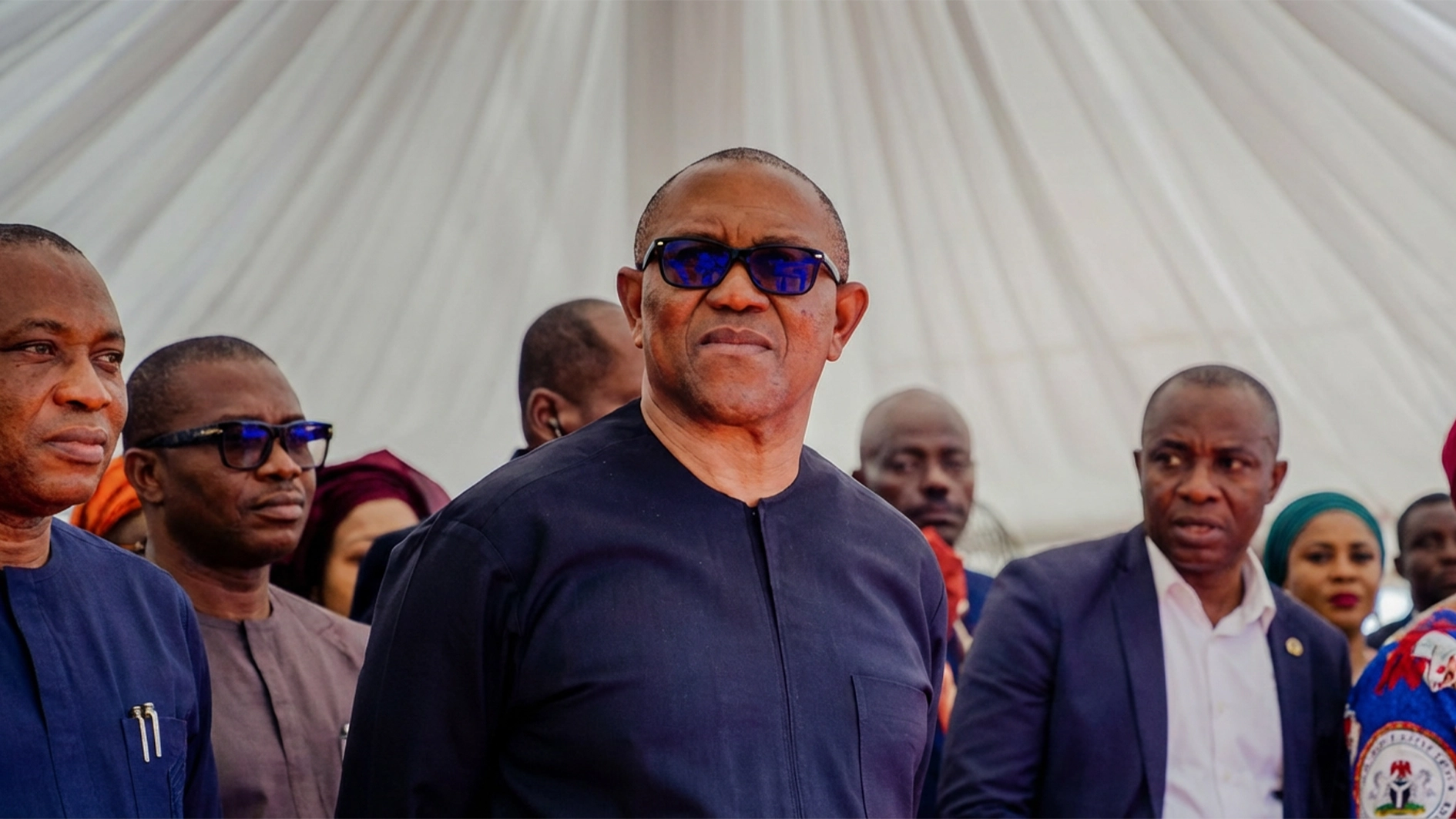
One of the potential opposition leaders, the Labour Party’s 2023 presidential flagbearer, Peter Obi, is already articulating his possible campaign message ahead of 2027.
While Obi concedes that fuel subsidy removal, foreign exchange liberalisation, and fiscal tightening were overdue, he insists the Tinubu administration imposed them with little planning, weak sequencing, and scant protection for ordinary Nigerians.
Rather than debate economic theory, Obi has focused on lived realities, spiralling inflation, collapsing purchasing power, and overstretched households, arguing that reforms sold as bold corrections have translated into widespread hardship.
He has also condemned the government’s tax reforms, warning that higher levies on citizens and small businesses risk worsening poverty and stifling productivity. As the next election cycle approaches, Obi’s message seeks to strip Tinubu’s reforms of their technocratic appeal, recasting them as harsh, poorly managed policies that prioritise fiscal arithmetic over human welfare.
Former Vice President Atiku Abubakar is also on the same path as Obi, in the narrative he is articulating to weaponise as a major campaign issue ahead of the 2027 presidential election.
While conceding the need for structural adjustment, Atiku argues that the administration’s shock-therapy approach, fuel subsidy removal, foreign exchange liberalisation, and tax reforms have deepened hardship and weakened purchasing power.
He contends that the policies were rushed, poorly sequenced, and insufficiently cushioned, leaving households and businesses exposed to inflation and job losses.
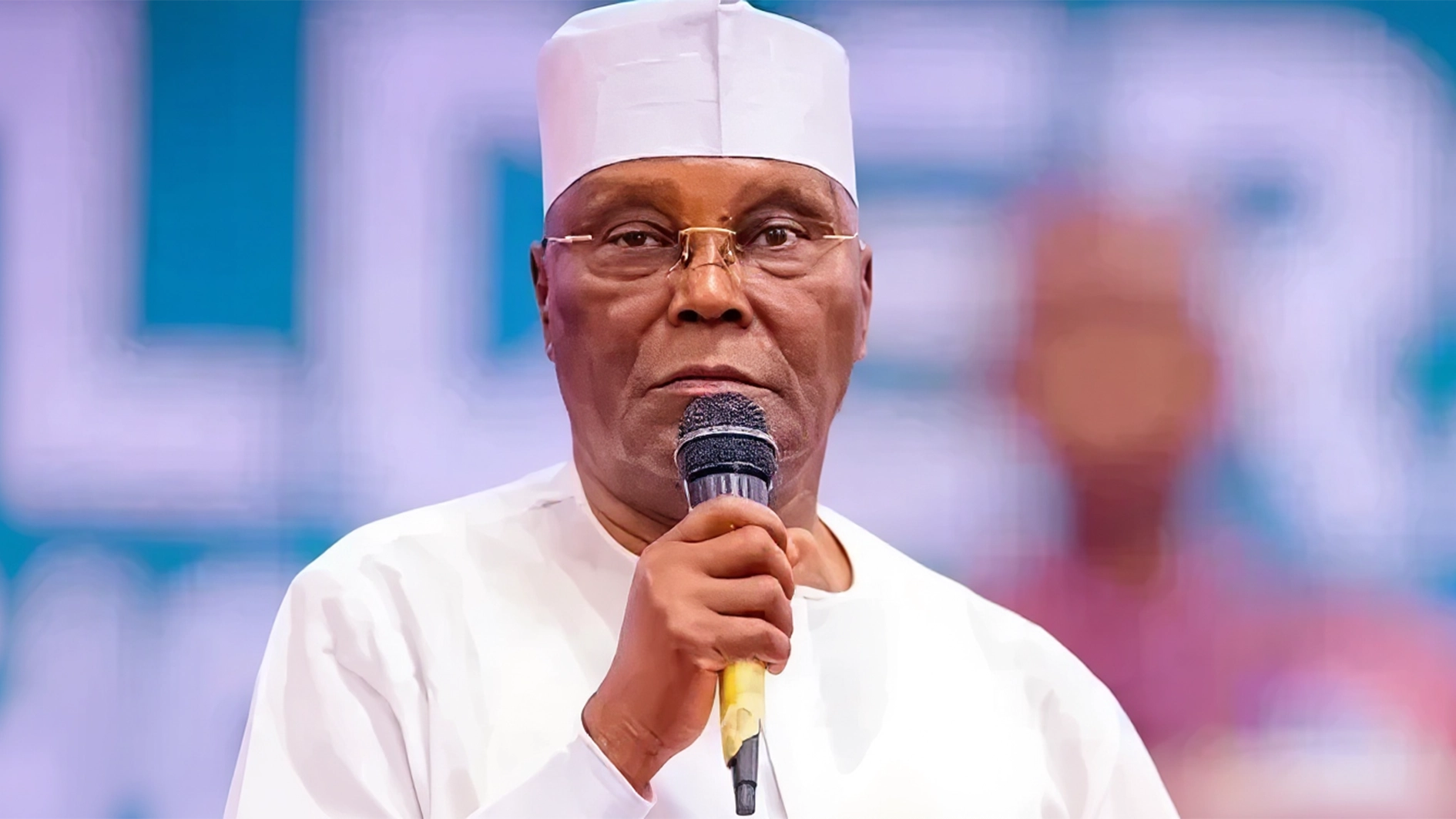
Beyond economics, Atiku has accused the government of fiscal recklessness, weakening democratic institutions, and undermining due process, framing the reforms as intended to be corrective but costly to implement.

Former Osun State Governor Rauf Aregbesola and former Kaduna State Governor Nasir el-Rufai are also ardent critics of President Tinubu’s bold economic reforms, a position they are poised to take to campaign podiums to discredit the administration and APC in the 2027 campaign.
While not disputing the reforms’ rationale, the duo argue that the policies burden ordinary Nigerians, a line opposition parties are eager to exploit. Analysts suggest that such critiques from erstwhile senior APC figures could shape narratives ahead of 2027, forcing the ruling party to defend reforms while managing voter perceptions of hardship.
Ultimately, the 2027 election will not be decided by who designed the best policies, but by who tells the most convincing story about suffering and hope.
Speaking on how government policies could shape re-election prospects, APC National Chairman, Professor Nentawe Yilwatda, said what distinguishes the Tinubu presidency is not merely the volume of reforms, but the courage to confront policies long acknowledged as broken yet politically untouchable.
Through his spokesman, Abimbola Tooki, Yilwatda said no reasonable politician would fault the reform agenda or attempt to reverse it, noting that the policies are essential to pulling the country out of its current challenges.
He warned against politicising reforms, adding that policies critics claim have caused hardship are already yielding results.
“Whether history will judge these decisions kindly depends on outcomes, growth, jobs, stability, and social cohesion. By rejecting avoidance politics, Tinubu has fundamentally altered Nigeria’s political conversation. In 2027, Nigerians will not just choose a president; they will decide whether painful reforms must be completed,” he said, adding that any politician campaigning against these reforms would end up projecting the administration positively.
However, the Yoruba Ronu Leadership Forum argued that the APC would struggle to campaign on Tinubu’s reforms, citing rising poverty. President of the forum, Akin Malaolu said unstable production costs and energy prices have caused firm closures, while naira devaluation and insecurity persist.
He added that APC’s campaign relies heavily on defectors and legislators, as the president alone has “nothing to campaign with: no jobs, no security, and over 40 million out-of-school children.”
But he said the unfortunate aspect of what Nigerians would witness in the 2027 campaign period is a fractured opposition party. He also noted that opposition parties, PDP, LP, and ADC, remain fractured or weak.
Writer Tunde Temionu urged critics to offer alternatives rather than simply oppose Tinubu’s reforms. ADC Publicity Secretary, Bolaji Abdullahi, said the policies burden Nigerians more than they help, accusing the government of prioritising political advantage over citizens’ welfare. (Guardian)
-

 Politics23 hours ago
Oyo 2027: Makinde moves to name successor
-
Politics23 hours ago
Obidients mobilise for #OccupyINEC protest
-
Politics23 hours ago
Talks intensify as Bauchi gov delays ADC defection
-
Business23 hours ago
Bakare announces full repayment of N4bn Wema Bank loan
-
News15 hours ago
Fire Service CG’s Massive Convoy Sparks Reactions
-
News23 hours ago
FG hikes 2026 borrowing plan by N11tn
-
Politics23 hours ago
No secret deals with factional chair – ADC
-
 Politics23 hours ago
Cracks Among Daura APC Stakeholders Over Endorsement Of Buhari’s Son, Others