Politics
Rivers Peace Accord: Tinubu Orders Wike to Halt Impeachment, Hands APC Structure to Fubara

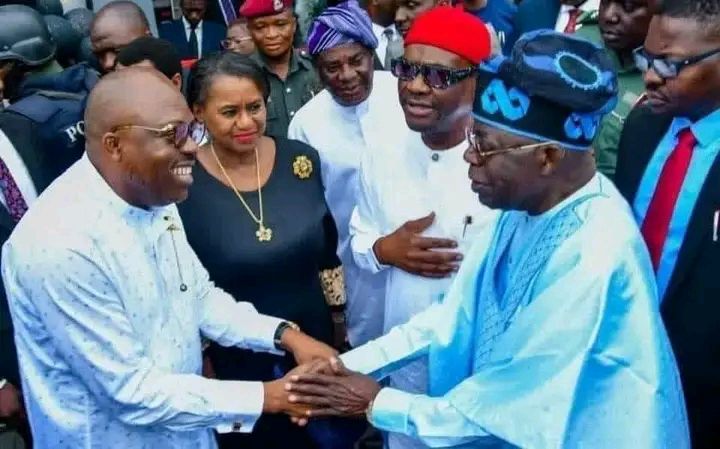
In a dramatic late-night intervention that has effectively redrawn the political map of Rivers State, President Bola Ahmed Tinubu has reportedly brokered a definitive “Grand Peace Accord” between Governor Siminalayi Fubara and the Minister of the Federal Capital Territory (FCT), Nyesom Wike.
Following a high-stakes, closed-door meeting at the Presidential Villa on Sunday night, February 8, 2026, the President issued a stern directive to Wike and his loyalists to immediately suspend all impeachment proceedings against the Governor. In a major tactical shift, the President also directed that the All Progressives Congress (APC) party structure in Rivers State be officially handed over to Fubara, cementing his status as the state’s undisputed political leader.
A Mandate for Stability
Insiders familiar with the discussions indicate that the President’s stance was resolute. The directive emphasized that Governor Fubara, as the chief executive of Rivers State, must be granted the political space to govern without the looming threat of legislative removal. It is understood that the administration viewed the ongoing friction as a significant distraction from governance in a state that serves as a vital economic engine for the country.

The President reportedly stressed that the stability of Rivers State is paramount, noting that internal political disputes must not undermine the delivery of public services or the security of the region.
Restructuring the Political Landscape
The decision to integrate the APC structure under the Governor’s leadership marks a turning point for the party in the South-South region. This move aims to unify the party’s various factions and provide a singular point of coordination for federal and state initiatives.
The new framework reportedly includes:
- Administrative Harmony: A requirement for closer collaboration between the executive and legislative arms to ensure that policy objectives are met without unnecessary delays.
- Party Integration: The recognition of the Governor’s leadership within the party hierarchy, aimed at streamlining decision-making and reducing internal friction.
- Focus on Economic Growth: A renewed commitment to addressing state development goals, moving past the financial disputes that had previously characterized the relationship between the various political actors.
Analysts Weigh In
Political observers are characterizing the development as a pragmatic resolution to a complex crisis. By emphasizing a “peace accord,” the federal government appears to be prioritizing long-term regional stability over short-term political maneuvering. While some view the Governor’s conciliatory tone as a tactical move to secure his administration, others see it as a necessary step toward de-escalating tensions that had threatened to boil over.
The move comes at a time when the federal government is under increasing pressure to ensure economic stability and security across all geopolitical zones.
Looking Ahead
While the immediate threat of impeachment appears to have been neutralized by the Abuja intervention, the long-term success of the accord will depend on the continued cooperation of all stakeholders. The political community now looks toward the Rivers State House of Assembly to see how the legislative agenda will shift in light of the new executive-led reality.
For now, the “Presidential Gavel” has set a clear course: a return to governance and a cessation of hostilities in the interest of the people of Rivers State. (247Ureports)
-

 Politics6 hours ago
APC Congress: Ogun, Lagos Retain Chairmen, Ondo, Oyo Elect Babatunde, Adeyemo
-
News6 hours ago
DSS Arrests Police, Immigration Officials ‘Implicated’ In El-Rufai’s Return To Nigeria
-
News19 hours ago
BREAKING: Tinubu nominates Oyedele as finance minister
-
Sports6 hours ago
Ronaldo ‘Flees’ Saudi Arabia Amid Bombardment From Iran
-
News6 hours ago
Rivers Assembly unveils Fubara’s commissioner nominees
-
News6 hours ago
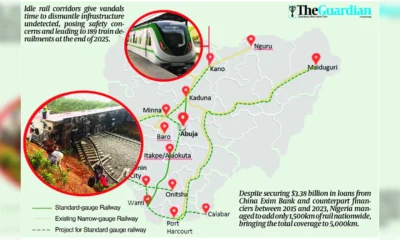
Faulty design, vandalism, neglect endanger $3.4b rail overhaul
-
News6 hours ago
FG suspends pilgrimages to Israel over Middle East security situation
-
Business6 hours ago
Businesses Bleed As Blackout Worsens