News
Tinubu extends ban on raw shea nut exports to 2027

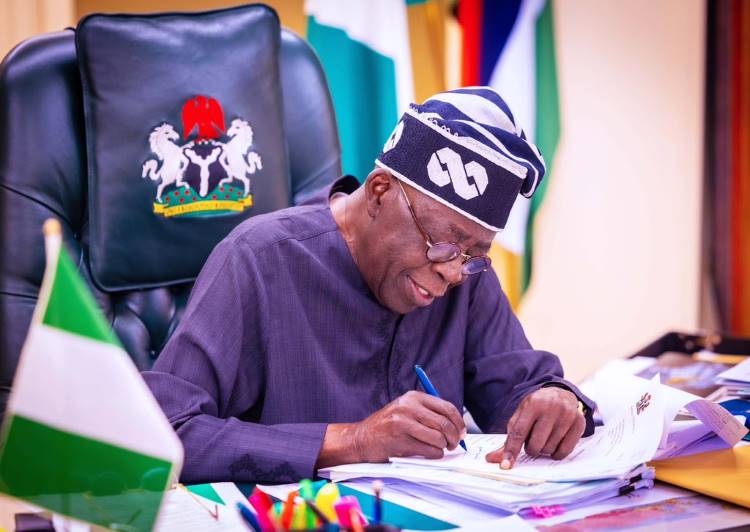
President Bola Tinubu has approved a one-year extension of the ban on the export of raw shea nuts, moving the expiration date from February 26, 2026, to February 25, 2027.
The Presidency announced the decision in a statement issued on Wednesday, just hours before the initial six-month ban — which began on August 26, 2025, was set to expire.
Bayo Onanuga, special adviser on information and strategy to the president, said the extension reflects the administration’s commitment to industrial development, domestic value addition, and the objectives of the Renewed Hope Agenda.
According to the statement, the ban is aimed at strengthening Nigeria’s processing capacity, improving livelihoods in shea-producing communities, and promoting the export of value-added products instead of raw commodities.

“To further these objectives, President Tinubu has authorised the two Ministers of the Federal Ministry of Industry, Trade and Investment, and the Presidential Food Security Coordination Unit (PFSCU), to coordinate the implementation of a unified, evidence-based national framework that aligns industrialisation, trade, and investment priorities across the shea nut value chain,” the statement read.
The President also approved the adoption of an export framework developed by the Nigerian Commodity Exchange (NCX) and ordered the withdrawal of all waivers previously granted for the direct export of raw shea nuts.
Under the new directive, any excess supply of raw shea nuts must be exported strictly through the NCX framework and in line with approved guidelines.
Additionally, Tinubu directed the federal ministry of finance to provide access to a dedicated NESS Support Window.
“This will enable the federal ministry of industry, trade and investment to pilot a Livelihood Finance Mechanism designed to strengthen production and processing capacity in the sector.”
The federal government reiterated its commitment to policies that promote inclusive growth, encourage local manufacturing, and position Nigeria as a competitive player in global agricultural value chains.
The extension comes amid earlier assurances to stakeholders that the policy would be reviewed following concerns about its impact on local producers, exporters, and foreign exchange earnings.
-

 News16 hours ago
Nigerians Already Enjoying Cheaper Transport Fares – Tinubu
-
News11 hours ago
Inside Sunrise’s Mambilla money trail: $1.74m to Dasuki’s son, Agunloye’s ‘medical expenses’ — and a promised cut for Malami
-
Metro10 hours ago
Woman Allegedly Kills Husband Planning To Marry Second Wife In Kano