Business
Nigeria’s energy crisis: ‘N11trn spent to generate darkness over the years’

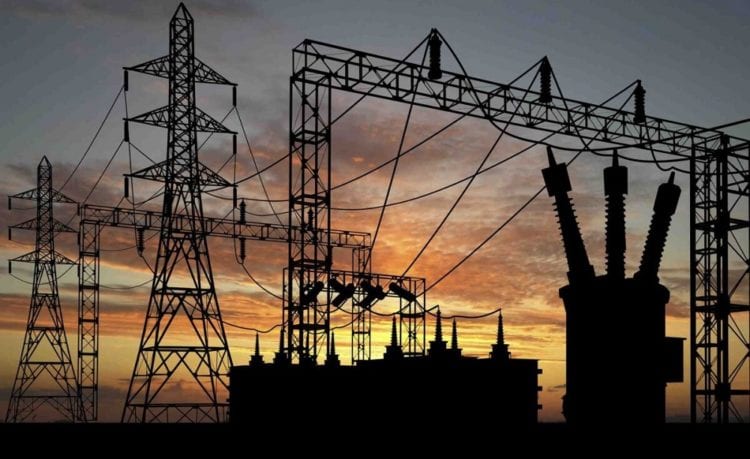
After more than ₦11 trillion was committed to Nigeria’s electricity sector over the past 26 years, millions of Nigerians remain trapped in persistent darkness, raising troubling questions about the effectiveness of the massive investments and the future of power supply in Africa’s largest economy.
From homes and small businesses to large-scale industries, citizens across the country continue to grapple with erratic electricity supply, forcing many to rely on costly alternatives such as petrol and diesel generators to survive while paying rising electricity tariffs for power they say they hardly receive.
But experts say the crisis goes beyond technical failure, blaming entrenched corruption, poor governance, and policy sabotage for what they describe as the systematic collapse of the sector despite trillions of naira spent.
Investigations show that successive administrations since 1999 injected trillions of naira into the power sector through infrastructure projects, privatisation programmes, subsidies, and intervention funds aimed at stabilising the national grid and improving electricity supply.

Between 1999 and 2007, the Federal Government invested an estimated $13 billion to $16 billion in the National Integrated Power Projects (NIPP) to boost generation and address infrastructure gaps.
This was followed by further spending of trillions of naira on power infrastructure between 2007 and 2015, culminating in the privatisation of generation and distribution companies in 2013.
Despite these efforts, the electricity supply has remained largely unstable, with frequent national grid collapses and prolonged outages that have disrupted economic activity and worsened the cost of living for households and businesses.
Many Nigerians who had hoped that privatisation and sustained government interventions would usher in an era of stable electricity are now confronted with the harsh realities of unreliable supply, rising energy costs, and deepening economic hardship.
*Since 1999 to date, report reveals electricity drain pipe through privatisation
A University don and consultant to the United Nations Development Programme (UNDP), Professor Agharese Osifo, alleged that corruption swallowed the massive investments without consequence.
“Investigations revealed that some $13 billion of Nigeria’s commonwealth was squandered by corrupt politicians, civil servants and contractors. This is the reason electricity is getting worse instead of improving,” he said.
Osifo declared that the sector had collapsed across the board, warning that mismanagement and elite capture had crippled the system.
“The sector is bankrupt in every sense — financially, technically, morally and administratively,” he said, adding that the crisis reflected “the systematic conversion of public resources into private wealth for a small elite who operate with confidence they would never face consequences.”
He warned that the consequences were already evident, as major companies abandoned the national grid to survive.
“Such huge concerns like MTN, Dangote conglomerate and Nigerian Breweries have exited the national grid. They now generate their own power, while Nigerians continue to pay for darkness due to governance failure,” he added.
Osifo further expressed pessimism about any immediate improvement, saying political priorities had overtaken national interest.
“It is very unlikely Nigerians will enjoy stable electricity in the short run as leaders focus on maintaining the status quo,” he said.
Corroborating the governance concerns, civil society activist Usman Katum Umar warned that the Presidency’s planned transition to solar power raised troubling questions about the government’s confidence in its own electricity system.
“The Aso Rock Presidential Villa wants to jump out of a troubled, sinking ship,” Umar said.
He questioned the implications for ordinary Nigerians.
“When the president abandons the national grid, what becomes of ordinary Nigerians who cannot afford solar power?” he asked.
Technical experts, however, pointed to structural and infrastructure gaps as major contributors to the crisis.
A retired NEPA official and consultant to Abuja Electricity Distribution Company, Jude Ukeagbu, said inadequate gas supply remained a major limitation.
“The present gas supply cannot generate the required 30,000 megawatts. The sector is also challenged by ageing transmission lines and a lack of investment in the grid,” he said.
Similarly, rights activist Comrade Eze Oko Splendour said the sector was crippled by weak infrastructure, liquidity problems, and repeated grid collapses.
“Nigeria’s grid is prone to collapses, with over 20 incidents in one year alone, caused by inadequate transmission infrastructure, sabotage and lack of spinning reserve,” he said.
*Economists lament investors’ agony over deplorable situation
Economic experts also linked the electricity crisis directly to business collapse, unemployment, and rising poverty.
Professor Ken Ife said poor governance and fiscal recklessness were largely responsible.
“Nigerians pay for darkness as a result of fiscal rascality and poor governance,” he said.
He warned that without electricity, Nigeria would remain trapped in economic backwardness.
“Without power, we are exporters of raw materials, exporters of jobs, and importers of poverty,” he added.
Also, economist Professor Sheriffdeen Tella said the lack of investment and focus on profit over infrastructure expansion worsened the situation.
“Electricity generation and distribution facilities are not expanding but ageing, while operators are more interested in profit,” he said.
Business owners say the consequences are devastating.
Jason Umoh, an entrepreneur, said the cost of diesel had made profitability almost impossible.
“The cost of diesel alone can wipe out profit margins. Nigeria is struggling to generate about 4,000MW for over 200 million people,” he lamented.
Energy policy analysts, including Centre for Social Justice Director Eze Onyekpere, called for urgent diversification into renewable energy, warning that the crisis required a national emergency response.
He said solving the crisis would require “investment in infrastructure, transparency, accountability, and diversification into solar, wind, biomass and other alternative energy sources.”
Despite trillions spent and repeated reforms, Nigeria’s electricity crisis persists, leaving millions in darkness and raising fundamental questions about accountability, governance, and whether the country’s power sector can ever deliver on its promise. (This Nigeria)
-

 Metro7 hours ago
‘I Was In The Wilderness For 42 Days After Paying N17Million Ransom’ – Ekiti Farm Manager Narrates Kidnap Ordeal
-
News7 hours ago
Banditry: Over 300,000 Displaced In Niger – Bago
-
Politics7 hours ago
INEC Can’t Guarantee Perfect Election In 2027 – Amupitan
-
News7 hours ago
Iran: IGP Orders Heightened Surveillance In North
-
Business7 hours ago
Abu Dhabi directs hotels to extend guests’ stay over travel restrictions, says it’ll cover cost
-
News7 hours ago
Chaos At Lagos, Abuja Airports As FAAN Begins Cashless Policy
-
Metro7 hours ago
Kidnapped Ondo Man Killed, Found Dead In Edo Forest After Ransom Payment
-
News7 hours ago
NDLEA intercepts Togolese woman with 5,000 Tramadol pills