News
Concerns over non-disclosure of signed 2026 budget details

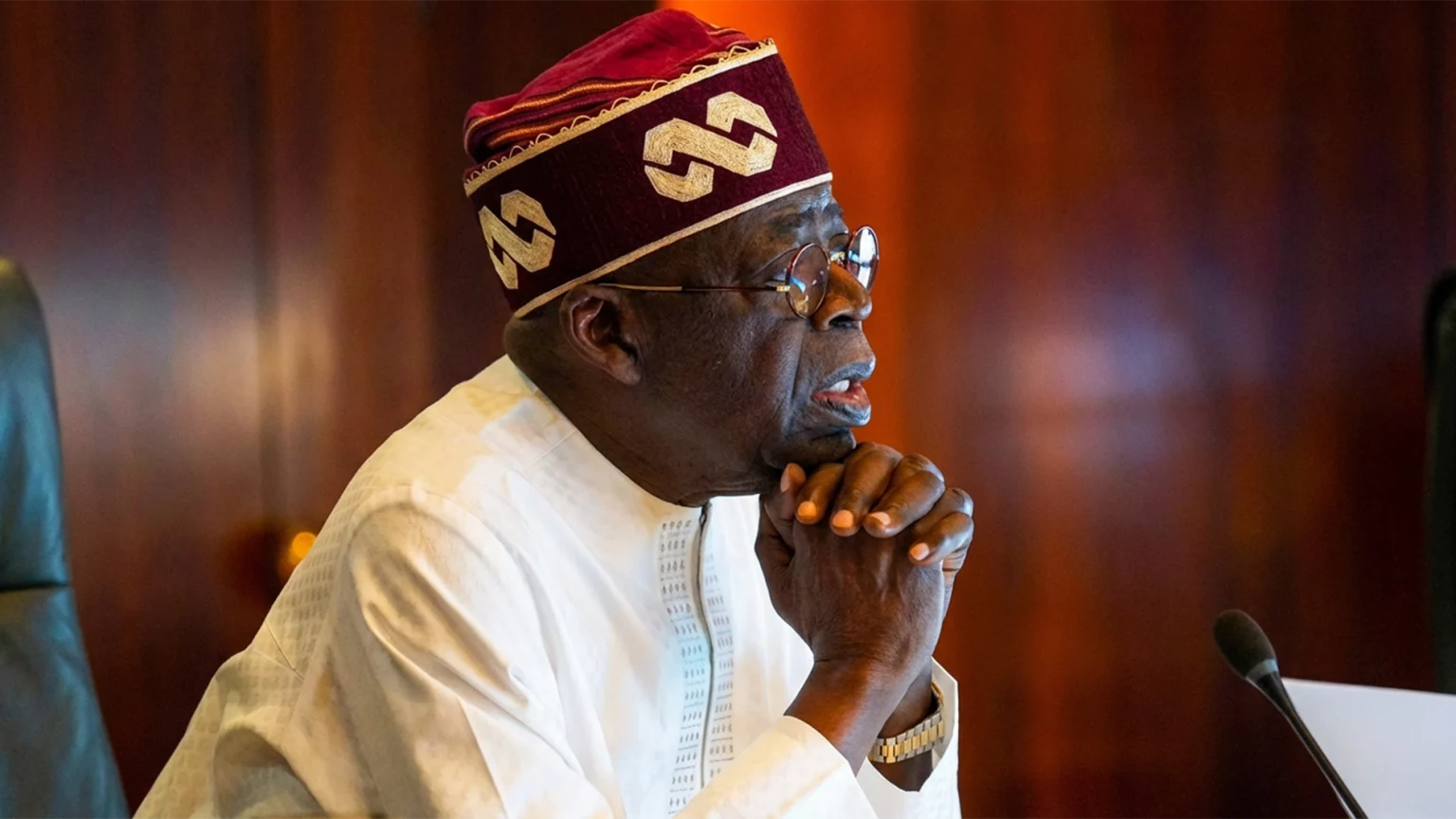
Failure to make public the details of the 2026 appropriation is raising concerns about the Federal Government’s commitment to transparency.
The President signed the budget on April 17. But about 20 days after, the budget is still hidden from the public.
The non-disclosure of the act runs contrary to an established tradition where the Ministry of Finance and the Budget Office present breakdowns of the revenue and expenditure projections.
The process leading to the 2026 budget was riddled with questions. For instance, the budget was presented on December 19, just 12 days before the end of the 2025 fiscal cycle, leaving the National Assembly with no option but to carry the debate over to the new year.

By March 31, the President requested the National Assembly to increase the initially proposed N58.47 trillion by N9 trillion, raising the total budget to N68.3 trillion. The request was received, considered and approved alongside the budget that was passed in 24 hours.
The Centre for Social Justice (CSJ), in a document, flayed this failure of the Budget Office of the Federation (BOF) to upload the signed 2026 budget on its website for citizens to scrutinise.
The CSJ, in the document titled ‘Where is the 2026 budget’ and signed by its Lead Director, Eze Onyekpere, advised the Director General of the BOF to resign his position if he cannot do the work for which he was employed.
The centre noted that even the routine budget breakdown carried by the Minister of Finance and the Coordinating Minister of the Economy has not been done, further heightening a culture of fiscal opacity.
The CSJ said Nigerians have a right to information on the details of the allocation and management of public expenditure and resources at the federal level.
“From the scheme and trajectory of events, these denials are deliberate and targeted at frustrating the exercise of the right of Nigerians to participate and make informed inputs into the fiscal governance system”, it noted.
The organisation recalled that the executive budget proposal, which was presented by the President to the National Assembly on December 19, 2025, was only uploaded to the website on January 8, 2026 – 20 days after presentation.
“It is a matter of grave concern that 17 days after the presidential assent, the BOF, Minister of Budget and Economic Planning and the Coordinating Minister for the Economy have not deemed it fit to have a budget briefing or breakdown session with Nigerians to detail the economic policy leads behind the budget,” the CSJ said.
It reminded the relevant officials of the provisions of section 48 (1) of the Fiscal Responsibility Act (FRA), which mandate the Federal Government to conduct its fiscal and financial affairs transparently and ensure full and timely disclosure and wide publication of all transactions and decisions involving public revenues.
“This deliberate refusal by the BOF to perform a statutory duty runs contrary to the entire gamut of the Freedom of Information Act and the constitutional fundamental objective of participation by the people in their fiscal governance – because no one can participate or make informed contributions without the requisite information,” it noted.
While acknowledging the delay in the upload of the budget on its website, a senior official of the BOF told The Guardian that the documents needed to be vetted properly before they are made public.
The staff could not confirm when the budget documents would be uploaded. (Guardian)
-

 Politics10 hours ago
Presidency denies withholding ₦250bn NLNG dividends from states
-
News9 hours ago
5 Security Operatives Killed As B/Haram Attacks Adamawa Communities
-
News10 hours ago
FG disagrees with World Bank over H1 124% debt servicing/revenue ratio
-
Politics9 hours ago
2027: APC unveils online portal for support groups
-
Metro10 hours ago
Kidnapped Catholic Priest, three others rescued in Benue
-
News9 hours ago
Nnamdi Kanu’s Family Accuses UK Of Failing To Protect Its Citizen, Demands Action To Secure His Freedom
-
Politics9 hours ago
Buhari Saw Tinubu As ‘Bad News’, Resisted His Presidency – Baba-Ahmed
-
Politics9 hours ago
AbdulRazaq commends Wike’s inclusion in Presidential Campaign Council