Opinion
Africa’s Rising Momentum and the Surge in Migration Tensions: Consequence or Something More?

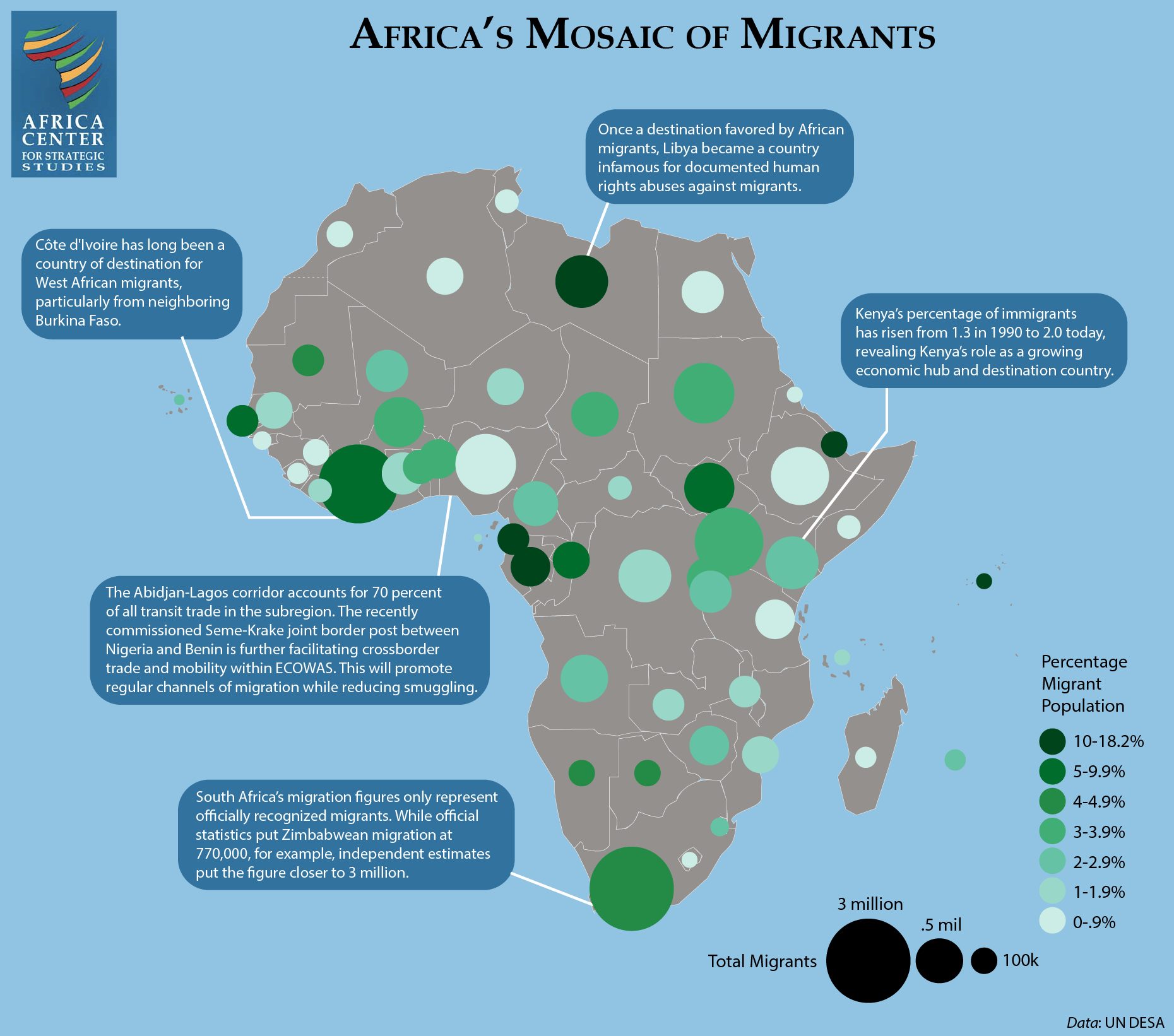
Are the migration tensions emerging across parts of Africa simply the growing pains of integration or are larger forces at play?
As Africa moves toward deeper economic integration through AfCFTA, regional transport corridors, digital payment systems and cross-border investments, tensions around migration, nationality, jobs and economic competition also appear to be increasing.
Coincidence? Perhaps.
But it may also be a natural consequence of integration itself.

For decades, Africa has operated as fragmented markets separated by borders that often made it easier to trade with Europe or Asia than with neighbouring African countries. Today, that is slowly changing.
The vision is clear:
• Easier movement of goods
• Greater labour mobility
• Cross-border investments
• Regional value chains
• Stronger economic cooperation
A more connected Africa inevitably means greater movement of people.
Historically, migration follows opportunity. People move where jobs exist, businesses grow and economic prospects improve.
The challenge is that when economies face inflation, unemployment and social pressures, migrants often become convenient targets for frustrations that are rooted in broader economic realities.
This is not unique to Africa. Similar patterns have played out across Europe – Brexit and elsewhere.
While there is little evidence of a coordinated effort to undermine African integration, history reminds us that major economic shifts often create competing geopolitical and economic interests.
It would also be naive to assume that geopolitical and economic interests are absent.
However, attributing every migration dispute to conspiracy risks overlooking more immediate issues such as governance, economic inclusion and policy coordination.
The real question is whether Africa is prepared for the success it seeks.
A truly integrated continent will bring:
• More movement of people
• More competition for opportunities
• More cultural interaction
• More economic interdependence
These may not be signs of failure. They may be signs that integration is beginning to take shape.
The ability of African leaders and institutions to transform these tensions into drivers of growth rather than sources of division will determine the future of Africa.
•Written By Akintunde Odeyemi
-

 News22 hours ago
UK universities withdraw admission offers to Nigerians over visa crackdown
-
News22 hours ago
Benue: Suspected herdsmen kill nine in fresh Ukum attacks
-
News22 hours ago
Why kidnappers target NYSC members — Security experts
-
Politics22 hours ago
2027: Protest, relief as INEC releases final candidates’ list
-
Politics21 hours ago
2027: Opposition, APC clash over campaign funding
-
World News22 hours ago
US gunman shoots dead 7 relatives, family friend
-
Business22 hours ago
Fitch revises Nigeria’s outlook to positive, affirms ‘B’ rating
-
Opinion21 hours ago
Did Obi actually win in 2023?