Opinion
The Gbajabiamila case and the danger of trial by public opinion

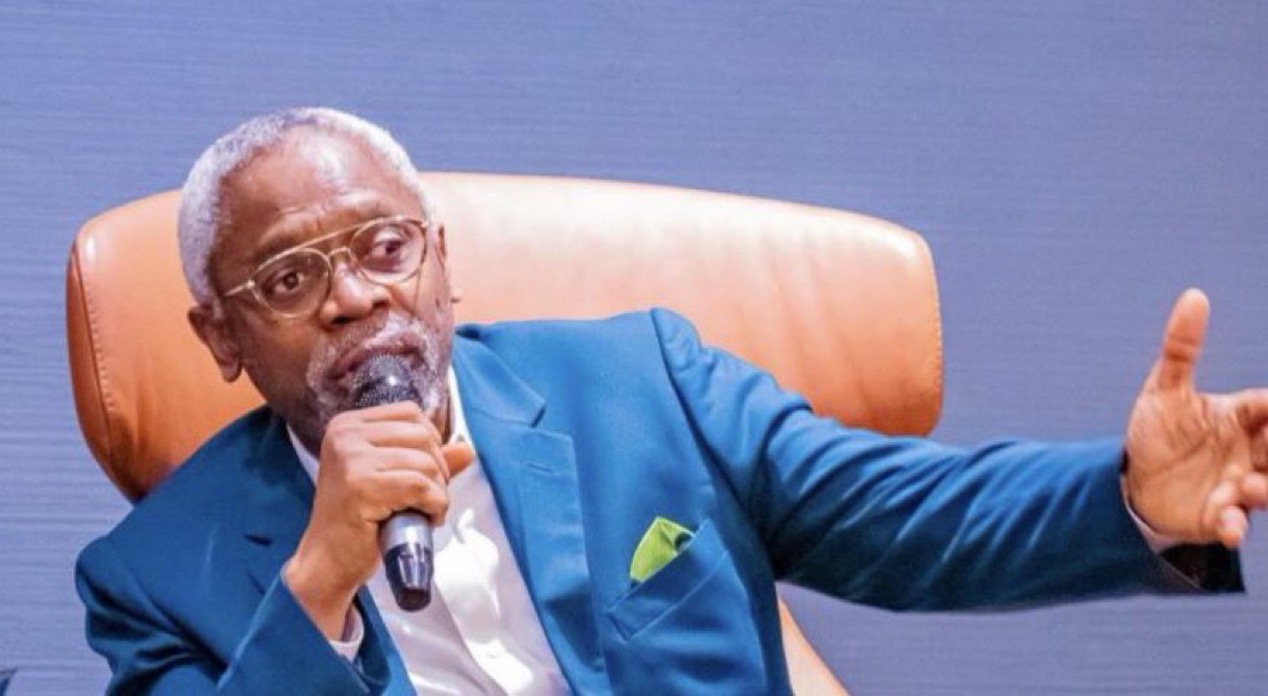
BY ABAYOMI FAWOLE
In Nigeria today, an allegation can become a conviction before an investigation even begins.
A social media post is made. A headline appears. Political opponents seize upon it. Commentators add their voices. Before long, the accused person has been tried, convicted and sentenced—not by a court of law, but by the court of public opinion.
The recent controversy involving the Chief of Staff to the President, Femi Gbajabiamila, should make every Nigerian pause and reflect.

When allegations surrounding the purported Presidential Foreign Investment Promotion Council emerged, many people immediately drew conclusions. Some questioned his integrity; others demanded his resignation. On social media, the language of accusation quickly became the language of conviction.
But there was one important thing missing: The investigation had not been concluded. That should have mattered.
Now, following the reported findings of the Independent Corrupt Practices and Other Related Offences Commission (ICPC), which found no wrongdoing by Gbajabiamila in the matter and reportedly determined that the appointment document at the centre of the controversy was forged, perhaps we should ask ourselves a difficult question:
What happens to the reputation of a person after we have publicly convicted him and later discover that the evidence does not support our judgment?
An allegation is not a conviction. There is a reason the law provides for investigation before prosecution and prosecution before conviction.
It is because facts matter. It is because evidence matters. And, most importantly, because human beings can be wrong.
Nobody should be above investigation—not the president, a minister, a governor, a legislator, a presidential aide or an ordinary citizen.
But nobody should be declared guilty merely because an allegation has been made against them either.
There is a fundamental difference between saying: “These allegations must be investigated”, and saying: “He is guilty.” The first is a legitimate demand for accountability.
The second is a judgment.
Political disagreement should not destroy due process. Nigeria is a deeply political society. We have our parties, our loyalties and our preferred candidates.
But democracy cannot survive if we only believe in due process when it favours our side. If an allegation is made against someone we dislike, we should still demand evidence. If an allegation is made against someone we support, we should still demand an investigation.
That is what fairness means. Justice should not change depending on whether the accused person belongs to APC, PDP, Labour or any other political persuasion. Truth does not belong to a political party.
The social media court needs restraint
One of the greatest dangers of our time is the speed with which information travels. Social media has democratised information, but it has also democratised speculation. A person can be accused today and condemned within hours.
The correction, however, may never travel as far as the original allegation. This creates a serious problem. Even when an investigation eventually establishes that the allegation was unfounded, the damage may already have been done.
A reputation that took decades to build can be damaged by a story that took minutes to create. This is why responsible citizens, journalists, activists and political commentators must exercise restraint. We should investigate allegations, not manufacture convictions.
The ICPC finding should teach us something
The reported ICPC outcome should not be interpreted as a reason to stop questioning those in government. Quite the opposite.
We must continue to demand accountability from public officials. But accountability must be based on facts, evidence and due process.
If an investigative agency clears an individual after examining the relevant circumstances, those who had previously pronounced the individual guilty should at least have the humility to reconsider their position. It is not weakness to say: “I was wrong.” It is integrity. What if it were you?
Before we rush to condemn another person, perhaps we should ask ourselves: What if the allegation were made against me? What if my name were trending on social media? What if people who had never met me were calling me corrupt? What if, after months of public condemnation, an investigation eventually established that I had done nothing wrong Would I consider the experience fair?
This is why the principle of presumption of innocence matters. It is not designed to protect the guilty. It is designed to protect the innocent from being punished for something they did not do. We must learn to wait. The lesson from the Gbajabiamila controversy should therefore extend beyond one politician.
It should become a lesson in civic responsibility. Let us question. Let us investigate. Let us demand transparency. Let us hold government accountable. But let us also learn to wait for the facts. Don’t turn an allegation into a conviction. Don’t turn suspicion into evidence. Don’t turn political opposition into persecution.
And most importantly: Don’t judge before judgment is declared. Because in a country where everyone is willing to judge everyone else, we must remember that the person we condemn today could be us tomorrow. Justice requires courage—not the courage to condemn, but the courage to wait for the truth.
The Gbajabiamila case is therefore not merely about Femi Gbajabiamila. It is about the kind of society we want Nigeria to become: one where allegations are investigated, evidence is examined, institutions are respected, and judgment comes only after the facts have spoken.
Fawole writes from Lagos, Nigeria.
-

 News14 hours ago
State Police Bill: Five Assemblies say yes, 31 yet to decide
-
News14 hours ago
Sanwo-Olu orders immediate repairs of Lagos roads
-
Politics14 hours ago
2027: INEC debunks report on voter register display in Lagos
-
News14 hours ago
No plan to increase electricity tariffs – FG insists
-
Metro14 hours ago
50 houses razed, scores injured as explosion rocks Rivers community
-
Metro14 hours ago
NCC phone approval USSD code: How to check if your phone is approved in Nigeria
-
World News14 hours ago
Multiple victims as gunman opens fire at elementary school in US
-
News14 hours ago
Umahi reopens First Niger Bridge adorned with Tinubu’s pictures