World News
US may demand parents’ immigration status for children’s passports

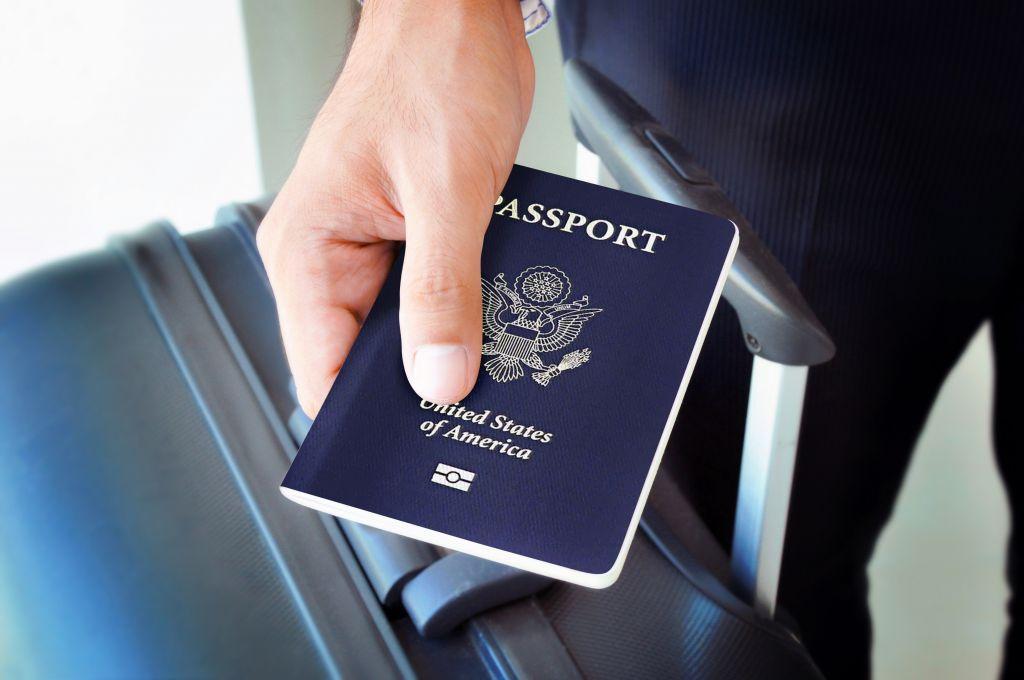
Parents may now need to prove their own citizenship or immigration status before obtaining passports for their children, as part of the efforts to restrict United States (US) birthright citizenship.
The move would mark a significant change to the passport application process and potentially subject families to greater scrutiny over the circumstances under which a child acquired US citizenship.
If adopted, the new requirement would therefore shift part of the citizenship assessment into the passport application process, potentially creating additional documentation requirements for families.
The proposal offers the first detailed indication of how the department could implement Donald Trump’s August 6 executive order targeting what his administration calls “birth tourism”, a practice in which pregnant women travel to the United States to give birth so their children can obtain automatic US citizenship.

Under the proposed guidance, parents could be required to provide documents such as a valid US passport or birth certificate to establish citizenship, or immigration records such as an I-94 form or lawful permanent resident card. The State Department would use the information to determine whether a child falls within the scope of Trump’s executive order.
“The Department will require parental information and evidence of parental citizenship or immigration status as part of its determination whether the applicant is subject to EO 14418,” the draft guidance states.
Currently, parents of children born in the US generally need to establish their relationship to the child and provide photo identification when applying for a passport. Although they indicate on the application whether they are US citizens, they are not required to submit supporting evidence of that status as part of the process.
Trump’s earlier executive order sought to deny automatic citizenship to children born in the US unless at least one parent was a US citizen or a lawful permanent resident, commonly known as a green card holder.
The US Supreme Court subsequently blocked that attempt. In a 6-3 ruling, the court found the order unlawful, with the majority concluding that it violated the Citizenship Clause of the 14th Amendment to the US Constitution.
Trump’s August 6 order focuses specifically on birth tourism while also expanding the circumstances in which citizenship could be withheld. Under the new directive, citizenship could be denied to children where a parent works for a foreign government in the US, is involved in fraud or a commercial transaction aimed at obtaining citizenship, or is classified as an “alien enemy”.
The latest proposal is already facing legal opposition. Lawyers representing babies who could be denied citizenship under Trump’s policies have asked two federal judges to stop the August order from taking effect. (BusinessDay)
-

 Politics7 hours ago
‘Weapon fashioned against APC’ — outrage as youth leader gifts 2026 Prados to party officials, then deletes post
-
News7 hours ago
Ebola: NCDC to pay contacts N100,000 weekly
-
Politics7 hours ago
We’ll Soon Expose Those Plotting To Scuttle My Guber Ambition – Pantami
-
Politics7 hours ago
We Won’t Allow Repeat Of 2023 Defeat – Lagos APC
-
News7 hours ago
Zamfara Steps Up Ebola Containment Measures After Passenger With 38°C Fever Arrives Airport
-
Metro7 hours ago
Okonjo-Iweala’s mother dies at 96
-
Politics7 hours ago
FULL LIST: Ibrahim Abdulkarim, ICT strategist, named DG as NDC constitutes 155-member campaign council
-
News7 hours ago
States’ six-month debt servicing bill hits N800bn