
World News
Africans should be blamed for slavery, Britain must not pay for it – Kemi Badenoch

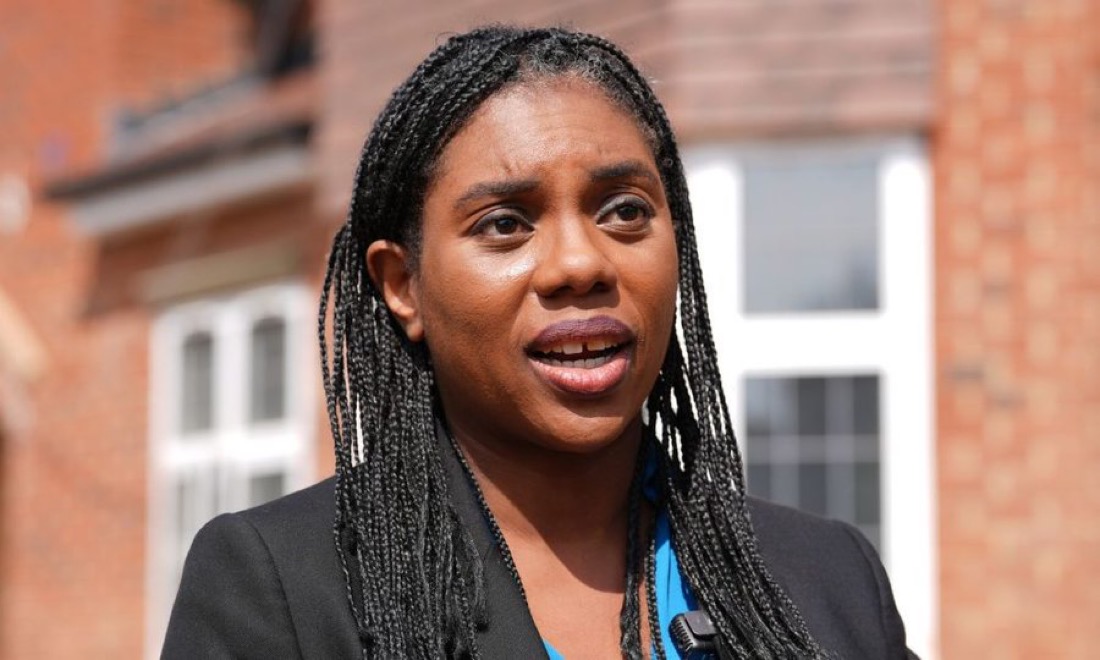
Kemi Badenoch, the leader of the United Kingdom’s Conservative Party and a former Secretary of State for Business and Trade, has rejected calls for Britain to pay reparations for its historical involvement in the transatlantic slave trade, challenging Caribbean countries demanding compensation to also seek apologies from descendants of African rulers and merchants who participated in the trade.
“Slavery was an evil in which people from every continent and region participated. We should be honest about the whole history, not select the parts that are politically convenient today, especially given Britain’s leading role in ending the transatlantic slave trade,” she said.
She further challenged Caribbean countries to extend their demands for historical accountability beyond Britain.
“If Caribbean countries are asking Britain for a formal apology for Britain’s role in the transatlantic slave trade, will they also be asking the same of the descendants of African kingdoms, rulers and merchants who captured, sold and profited from the trade?” Badenoch asked.

She also opposed proposals for financial compensation and debt cancellation as forms of reparations, arguing that previous international debt relief initiatives had failed to provide lasting economic solutions for beneficiary countries.
Citing the Jubilee 2000, Drop the Debt and Make Poverty History campaigns, Badenoch said more than $100 billion in debt had been written off about 25 years ago, but several beneficiary countries had subsequently accumulated even greater debts.
“More than $100 billion of debt was eventually written off, but many of those countries have since built up even bigger debts,” she stated.
Badenoch also criticised Britain’s Labour government over public spending, arguing that the country should not commit additional resources to international reparations while facing domestic welfare spending pressures.
“Labour are already spending too much on Britain’s welfare state. Now is not the time for Andy Burnham to be providing global welfare,” she said.
She insisted that British citizens should not be made to bear the financial consequences of historical events in which they had no personal involvement.
“There is no reason British taxpayers today should be held financially responsible for things that happened generations before any of us were born,” she declared.
The Conservative leader also criticised political elites in Commonwealth countries, accusing some of using Britain’s colonial and slavery history to deflect attention from their failure to address present-day economic challenges.
She argued that governments should concentrate on improving living standards and creating economic opportunities for their citizens rather than repeatedly demanding compensation from Britain.
Badenoch further criticised Andy Burnham over his position on confronting Britain’s historical involvement in slavery and the possibility of issuing another formal apology.
She maintained that Britain’s political leadership should prioritise national interests instead of reopening debates over historical responsibility.
“As Prime Minister, Andy Burnham should be Britain’s greatest defender. Instead, he is writing articles saying we need to confront our history and considering another formal historical apology,” she said.
Badenoch cited former British Prime Minister Tony Blair’s expression of sorrow and regret over Britain’s involvement in the slave trade nearly two decades ago, arguing that another apology was unnecessary.
“Tony Blair already expressed Britain’s deep sorrow and regret for our role in the slave trade nearly twenty years ago. There is no need to do so again,” she stated.
Describing the renewed demands for reparations as a distraction, Badenoch urged Commonwealth countries to focus on future cooperation, particularly in trade, economic development and security.
She called for stronger economic partnerships and deeper military cooperation to address shared threats, arguing that the Commonwealth should prioritise opportunities that would benefit its member countries.
The Conservative leader also questioned the value of continuing Commonwealth summits if Britain repeatedly faced demands for financial compensation.
“If every Commonwealth summit becomes an exercise in presenting Britain with demands for cash, then we need to start asking if it is worth the effort,” she warned.
Her comments reinforce her opposition to reparations, including direct financial compensation and debt cancellation, while raising questions about the historical involvement of African and European actors in the transatlantic slave trade.
However, her position does not address the arguments of reparations campaigners, who maintain that the consequences of slavery extended beyond the period of the trade, creating economic and social inequalities that continue to affect communities and countries.
-

 Business23 hours ago
OPay withdraws $304m US IPO, cites foreign regulatory inquiry
-
Sports23 hours ago
Aston Villa to take legal action against pundit Carragher
-
Business22 hours ago
The Chinese investors shaping Nigeria’s lithium-processing boom
-
Politics8 hours ago
2027: Pro-Tinubu Governors Face Grassroots Test As Atiku, Obi Mobilise For Showdown
-
Business8 hours ago
Dangote refinery exports exceeded domestic supply in September – Report
-
Politics23 hours ago
‘Election gimmick’ — ADC faults FG’s N50,000 cash transfers, says Tinubu in ‘full panic mode’
-
Politics8 hours ago
2027: S’West ADC leaders revolt against Atiku
-
Business22 hours ago
Kenya walks a tightrope in Dangote fuel supply deal amid exclusivity row, pipeline stake