Business
FG domestic borrowing hits 110% of annual target in September

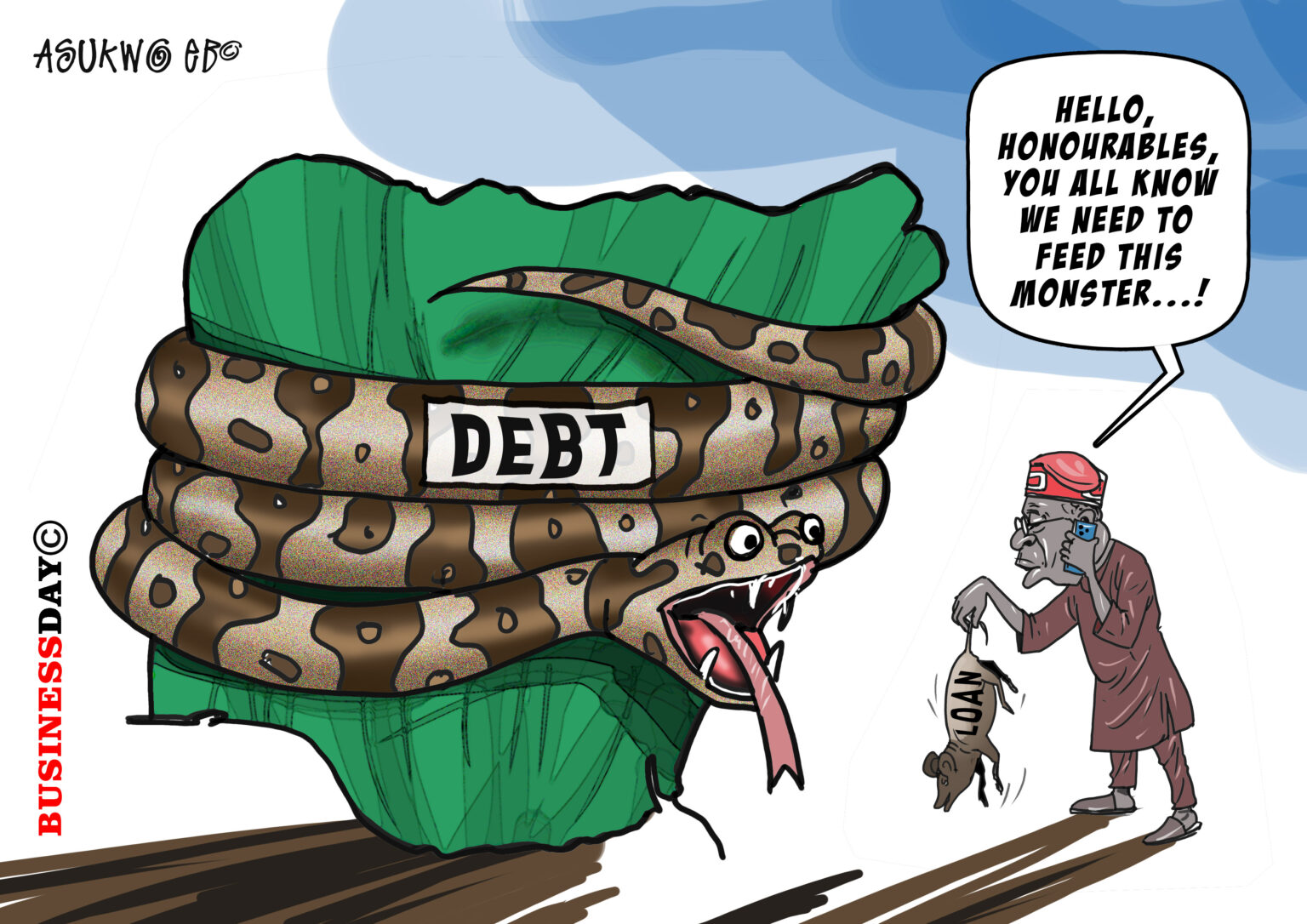
The Federal Government’s domestic borrowing exceeded its full-year target by 10 percent as of September 2026, highlighting rising financing pressures amid expanding fiscal obligations and growing debt-service costs.
Data from the Financial Markets Dealers Association (FMDA), in its State of Nigeria’s Financial Markets Q3 2026 report, showed that net domestic borrowing reached N20.32 trillion by September 30, exceeding the N18.4 trillion domestic borrowing target provided for in the 2026 budget.
The amount represents about 110.4 percent of the government’s annual domestic borrowing target, leaving borrowing approximately N1.92 trillion above the planned level just nine months into the fiscal year.
The development underscores the Federal Government’s growing reliance on domestic financing to meet its expenditure commitments, with increased borrowing adding to competition for funds in the financial system.

The report showed that net new domestic borrowing in the third quarter alone reached N9.65 trillion, reflecting the government’s sustained financing requirements during the period.
Government bond sales also increased by 44 percent to N4.14 trillion, indicating stronger reliance on the domestic debt market to raise funds.
The rising borrowing comes against the backdrop of an already substantial public debt burden. Nigeria’s total public debt stood at N166.79 trillion as of June 30, 2026, according to the Debt Management Office.
Domestic debt accounted for N91.59 trillion, representing 54.91 percent of the total, while external debt stood at N75.20 trillion, or 45.09 percent. The Federal Government accounted for N162.20 trillion of the total public debt stock.
The cost of servicing domestic obligations is also adding to fiscal pressures.
The FMDA report put domestic debt-service payments at approximately N2.6 trillion in the third quarter, representing an increase of about 21 percent from N2.14 trillion in the second quarter.
The increase highlights the growing cost of servicing domestic obligations, potentially leaving the government with less fiscal space for infrastructure, social services and other development priorities.
The Debt Management Office’s second-quarter figures showed that domestic debt service accounted for a substantial share of the government’s debt-service obligations, with interest and rental payments making up the bulk of domestic payments.
The expanding government financing requirement also comes at a time when businesses are facing elevated borrowing costs, raising concerns about the implications of government demand for funds on private-sector access to credit.
Central Bank of Nigeria data showed that credit to the government increased by 63.1 percent year-on-year to N39.4 trillion in September, while credit to the private sector grew by 15.7 percent to N83.93 trillion.
On a month-on-month basis, private-sector credit declined by N537.6 billion from N84.47 trillion in August, suggesting that businesses continued to face constraints in accessing additional financing even as government credit expanded.
The trend raises questions about the extent to which sustained government borrowing could constrain credit availability for businesses, particularly manufacturers and small and medium-sized enterprises that depend on bank financing to fund operations and expansion.
It also highlights the challenge facing monetary authorities in ensuring that improved financial system liquidity translates into productive lending rather than being absorbed predominantly by government financing requirements. (BusinessDay)
-

 Business19 hours ago
Kola Karim’s $10bn ambition: Building Nigeria’s answer to Tata
-
News19 hours ago
Constitutional lawyer alleges breach, heads to court to block State Police
-
Business19 hours ago
Naira slides to N1440/$ as foreign reserves shed $406m
-
Opinion18 hours ago
Living in bondage: Jimmy Odukoya and Lara Adeboye
-
News19 hours ago
FG suspends Lagos-Ibadan bridge work after 20-hour gridlock
-
Business19 hours ago
How Dangote’s highway spend de-risks his $14.3bn refinery expansion
-
Politics2 hours ago
Angry mob attacks Rarara, Tinubu’s praise singer, at National Mosque, Abuja
-
News19 hours ago
Patients running out of options, antibiotics not working against infections – WHO