
Business
Depot Petrol Prices Fall To N1,055/Litre As Retail Prices Moderate

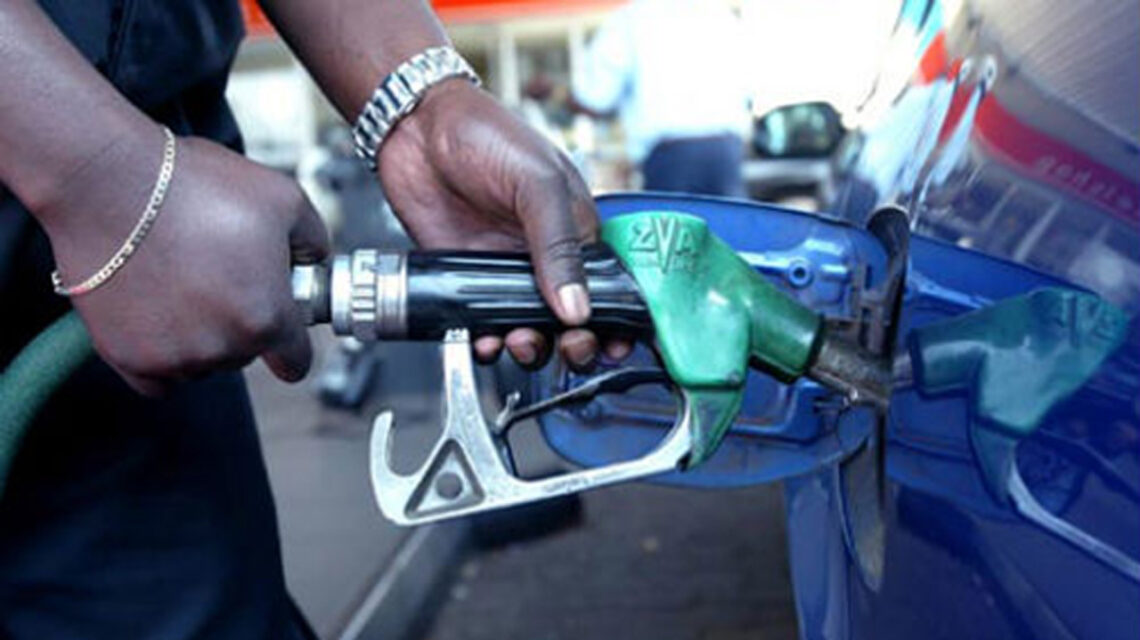
Wholesale petrol prices fell further on Tuesday as competition among depot operators intensified, with five Lagos-based terminals cutting their ex-depot rates to N1,055 per litre, the lowest in the market.
The reductions are gradually translating into lower retail prices in some locations, with MRS filling stations in Abuja reducing their pump price by N70 to N1,295 per litre.
Data from market tracker Petroleumprice.ng showed that African Terminal, Ascon, Integrated, Wosbab and NIPCO reduced their prices by N5 each to N1,055 per litre, emerging as the cheapest suppliers.

Other Lagos-based depots also quoted prices close to the new market floor, with Aiteo selling at N1,058 per litre, while Pinnacle and Dangote Refinery maintained rates of N1,059 each. Total quoted N1,060 per litre.
The adjustments reflect growing competition among depot operators seeking to attract petroleum marketers amid easing wholesale costs and pressure to retain market share.
Niger Delta Depots Record Major Cuts
Outside Lagos, some depots implemented more substantial reductions.
Matrix Port Harcourt recorded a N23 cut to N1,105 per litre, while A.Y.M Shafa reduced its price by N21 to N1,084.
Parker, Nepal and Matrix Warri each lowered their rates by N20 to N1,085 per litre.
Mainland and Liquid Bulk also reduced their prices by N15 to N1,115 and N1,105 respectively, while Keonamex maintained its rate at N1,105.
Other operators recorded varying adjustments, reflecting differences in their pricing strategies and supply conditions.
Sobaz reduced its price by N10 to N1,130 per litre, while Rainoil Delta cut its rate by N20 to N1,125.
Sigmund recorded the biggest reduction, slashing its price by N234 to N1,114 per litre.
MAO quoted N1,065 per litre, while the average wholesale price across the listed depots stood at approximately N1,082.
The difference between the cheapest and most expensive depot prices was about N75 per litre, highlighting the potential cost advantage for marketers sourcing products from lower-priced terminals.
MRS Cuts Abuja Pump Price By N70
The decline in depot prices is beginning to reflect in retail outlets, with some marketers adjusting their pump prices downwards.
In Abuja, MRS filling stations reduced their petrol price to N1,295 per litre from N1,365, representing a N70 reduction.
Checks on Tuesday morning showed that the adjustment followed Dangote Refinery’s decision at the weekend to reduce its gantry price by N99, from N1,159 to N1,060 per litre.
Four days earlier, MRS had reduced its pump price by N34 to N1,365 per litre, while the Nigerian National Petroleum Company Limited (NNPC) cut its price by N25 to N1,300.
Other filling stations in Abuja were dispensing petrol between N1,325 and N1,380 per litre.
With the latest adjustment by MRS, pump prices in Abuja and its environs now range between N1,295 and N1,380 per litre.
Pump Prices Differ Across States
Checks across parts of Ogun State and along the Lagos-Ibadan Expressway also revealed considerable differences in retail prices.
Julanky Filling Station along the expressway sold petrol at N1,270 per litre, while YAAB Petroleum at Iyana Iyesi, Ota, dispensed the product at N1,290.
Mobil filling stations in Atan sold at N1,170 per litre, while AP Filling Station in the area quoted N1,199.
The variations suggest that motorists are yet to fully benefit from the latest reductions in depot prices.
Industry factors, including existing inventories purchased at higher prices, transportation and logistics expenses, regulatory charges and retail operating margins, could influence how quickly changes in wholesale prices are passed on to consumers.
Previous market observations by Petroleumprice.ng also showed a gap between wholesale prices of about N1,060 per litre and retail prices ranging from N1,250 to N1,300.
With five Lagos depots now selling at N1,055 per litre and Dangote Refinery maintaining its rate at N1,059, competition in the wholesale market appears to be intensifying.
However, the extent to which the competition will translate into lower pump prices will depend on how quickly marketers adjust their retail rates to reflect prevailing wholesale costs.
-

 News6 hours ago
Police declare Nestoil chair, Sahara Group’s ED, seven others wanted
-
Politics23 hours ago
BREAKING: Court sacks Omo-Agege as NDC senatorial candidate, orders INEC to delist him
-
Entertainment6 hours ago
JUST IN: Veteran Nollywood actor, Pete Edochie dies at 79
-
Politics21 hours ago
13 governors, 3 ministers, judge risk travel ban over election ‘sins’
-
News19 hours ago
Katsina State Government Suspends Emir of Daura, Sets Up Probe Committee
-
Business22 hours ago
Dangote Refinery eyes Dec. 1 for historic N65trn NGX listing
-
Business23 hours ago
NVIDIA: Elon Musk, Jensen Huang gain $123.3 billion in 24 hours
-
Business5 hours ago
Nigeria’s shifting rice policies leave farmers flying blind