News
FG Mulls Fresh Electricity Tariff Hike

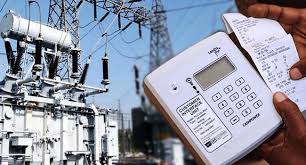
The Nigerian Electricity Regulatory Commission (NERC) has indicated that it is considering another upward review of electricity tariffs as part of efforts to improve service delivery and overall customer experience across the country.
The commission made this known in a post on its official X handle on Monday, noting that the proposed review is aimed at enhancing efficiency in the power sector and ensuring better quality of electricity supply to consumers. Although NERC did not disclose the new tariff structure under consideration, it stressed the need for transparency in the pricing process.
“You deserve satisfaction and accurate information on the increase. There is no issue of hidden pricing or cutting off your power arbitrarily,” the statement read.
It further explained: “We are bringing the electricity tariff closer to you to improve your quality of life, and we assure you of continued protection of your rights every day.”

According to the commission, the objective of the review is to ensure access to “quality, affordable electricity, and to pay for it in a painless manner,” while addressing the shortcomings of the current “one-size-fits-all payment system” and issues around inconsistent metering and supply challenges.
NERC also reaffirmed its commitment to addressing consumer complaints and safeguarding the rights of electricity users nationwide.
The development comes after the commission approved a significant tariff increase for Band A customers in April 2024, raising rates from about N68 per kilowatt-hour (kWh) to N225 per kWh—an increase of roughly 240 to 300 per cent. The adjustment affected about 15 per cent of electricity consumers who are expected to receive at least 20 hours of supply daily.
Subsequently, the tariff was reviewed downward to N206.80/kWh in May 2024, before minor adjustments saw some distribution companies (DisCos) increase rates to about N209.50/kWh in July 2024, amid ongoing sector reviews.
However, many consumers have continued to express dissatisfaction, arguing that the level of electricity supply has not matched the higher tariffs charged.
-

 News11 hours ago
30 states’ debt outpaces half their annual revenue
-
Metro10 hours ago
Man Held Over Undeclared $265,000 At Kano Airport
-
Metro10 hours ago
Abuja motorists battle cattle on city roads
-
Metro5 hours ago
US death row inmate survives execution after two lethal injections
-
News11 hours ago
Reforms over, we’ve laid foundation for lasting prosperity — Tinubu
-
Social Media News5 hours ago
WhatsApp introduces parental controls for teens
-
Business5 hours ago
Refining Battle: Dangote calls for ‘level playing field’ as court deals Lagos refinery a blow
-
News10 hours ago
Tinubu Signs Bill Extending 2025 Budget Implementation To Dec 2026