Business
Nigerian billionaire Abdul Samad Rabiu relaunches BUA Rice with son in charge

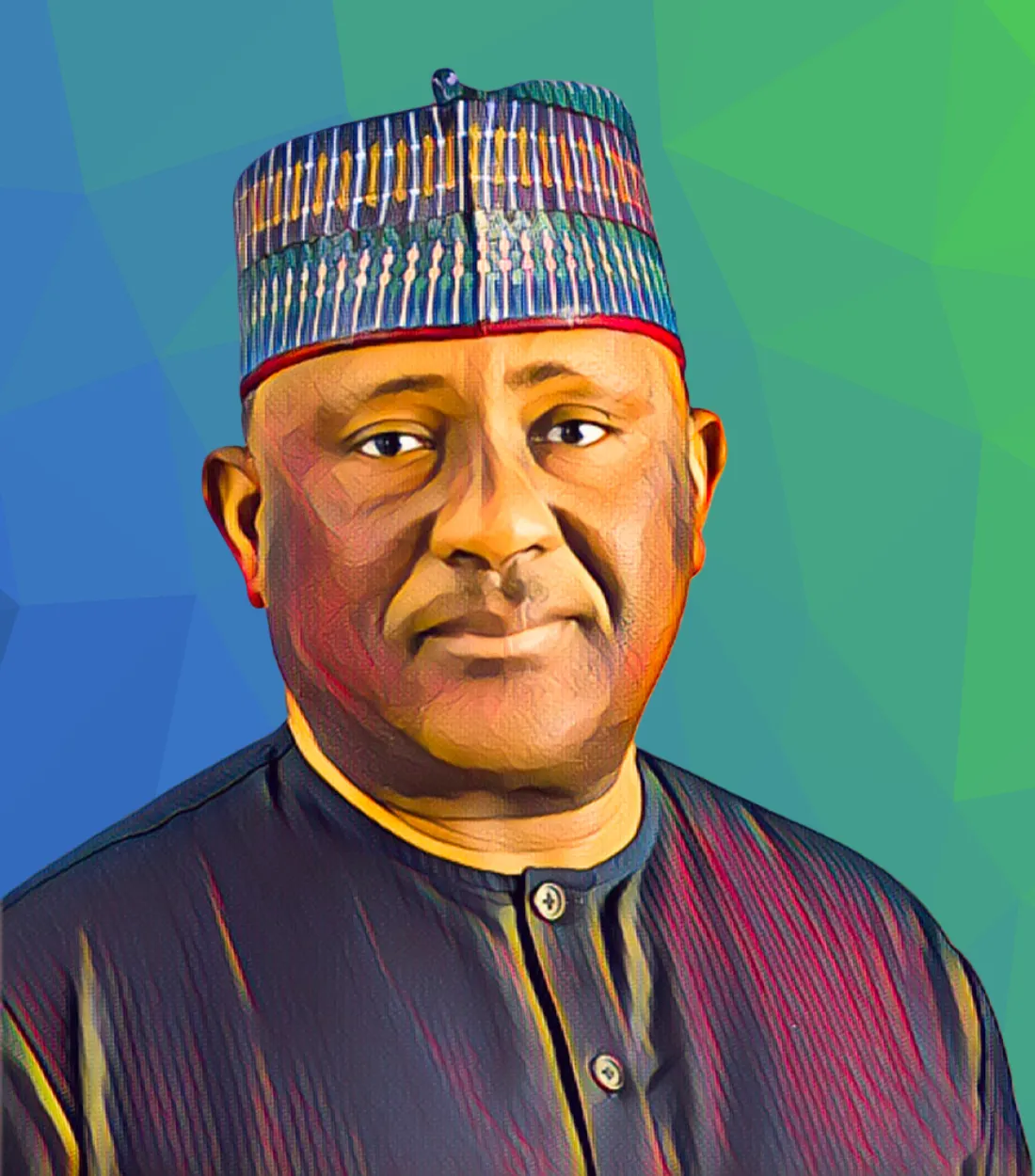
Abdul Samad Rabiu, Nigeria’s second-richest man and the founder of BUA Group, is pushing his food manufacturing empire into one of Nigeria’s most strategically important consumer markets, relaunching BUA-branded rice into the Nigerian market through BUA Foods Plc as his son Isyaku Khalifa Rabiu takes charge of the group’s global procurement and supply chain operations.
The commercial reintroduction of BUA Rice follows years of dormancy in the brand’s rice presence in Nigeria, during which the group focused primarily on sugar, flour, pasta and edible oils under the BUA Foods umbrella. The return of BUA Rice to retail shelves has drawn widespread positive reactions from Nigerian consumers and social media users who welcomed the development as evidence that Rabiu’s group is extending its food price stabilisation efforts beyond wheat and sugar into the staple grain that sits at the centre of most Nigerian household diets.
The relaunch has been driven partly by the appointment of Khalifa Rabiu, Abdulsamad’s son and a Georgetown University McDonough School of Business graduate, as Chief Officer of Global Procurement and Strategic Operations at BUA Foods with effect from January 29, 2026. According to BUA Foods’ disclosure, Khalifa was centrally involved in the commercial re-entry of BUA Rice Mills, overseeing efforts that culminated in the successful reintroduction of BUA-branded rice products into the Nigerian market. He also established a 40-metric-tonne-per-hour animal feed mill and deployed proprietary digital platforms to improve visibility into consumer behaviour, sales performance and distribution across BUA Foods’ operations.
The timing is not accidental. Rice is the single most consumed staple in Nigeria, with annual demand running into tens of millions of metric tonnes. Abdulsamad Rabiu has been vocal about the role BUA has played in crashing domestic food prices through a combination of tariff waivers and aggressive importation of key staples. In May 2025, Rabiu told journalists after a meeting with President Bola Tinubu at the presidential Villa that BUA had imported significant quantities of rice, wheat and maize under the government’s duty-free food import policy and used those imports to crash prices. He reported that rice, which had been trading at approximately N110,000 per 50-kilogram bag, had fallen to approximately N60,000 as a direct consequence of BUA’s import volumes hitting the market. He added that food prices would continue to come down.

BUA Foods reported full-year 2025 revenue of N1.77 trillion, a 16 percent increase, with profit after tax rising 14 percent and dividend per share climbing 115 percent to N28, its biggest payout since listing on the Nigerian Exchange in December 2021. In the first quarter of 2026, profit after tax rose a further 14 percent to N142.32 billion with operating profit up 11 percent to N154.6 billion. The strong results have powered one of the fastest wealth surges among African billionaires in 2026, lifting Rabiu’s net worth from approximately $10.7 billion at the start of the year to a current estimate of approximately $19.7 billion on the Bloomberg Billionaires Index, making him Africa’s second-richest individual behind Aliko Dangote and overtaking South Africa’s Johann Rupert during the year.
Nigerian shareholders have praised the governance record underpinning the group’s performance. At BUA Foods’ 2026 annual general meeting, the Association for the Advancement of Rights of Nigerian Shareholders singled out Rabiu’s decision to gift approximately N30 billion to 510 long-serving BUA employees as evidence of a business that translates private enterprise into measurable public benefit. BUA Foods Managing Director Ayodele Abioye said demand signals across the group’s core segments, including sugar, flour, pasta and rice, remain strong and that the company is well positioned to sustain momentum through 2026.
Khalifa Rabiu’s appointment signals a deliberate generational transition within the BUA Foods leadership structure, embedding family ownership into operational management at a senior level as the group enters what Abioye has described as a phase of scaled and disciplined growth following a period of business consolidation. The combination of the BUA Rice relaunch and Khalifa’s procurement mandate positions the group to compete not just on brand recognition but on supply chain efficiency and cost optimisation at a moment when food security has become one of Nigeria’s most politically sensitive economic priorities. (Billionaires Africa)
-

 News11 hours ago
Nigeria’s $5bn swap deal triggers Fitch warning
-
News11 hours ago
Spike in bus fares, rents force Nigerians to live in cars, offices, shops
-
Business19 hours ago
Meet the billionaire behind Nigeria’s airtime lending empire
-
News22 hours ago
Panic as bomb explosion rocks Lagos market
-
 News11 hours ago
Minister Disowns Alleged Aide Who Appointed Seven Advisers
-
Sports11 hours ago
Messi Becomes World Cup Record Goalscorer
-
Politics11 hours ago
How Fubara’s withdrawal reopens Rivers’ political space
-
News11 hours ago
Insecurity: Igboho defends action as ACF, NEF warn of anarchy