Business
FCCPC Warns Oil Marketers Over High Fuel Prices Amid Crude Decline

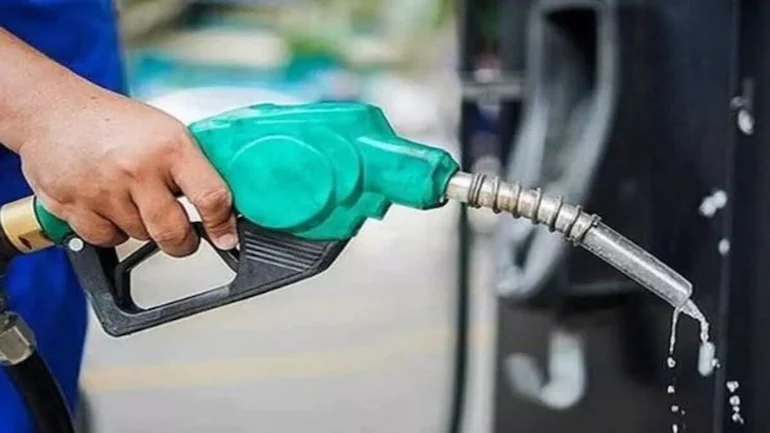
The Federal Competition and Consumer Protection Commission (FCCPC) has questioned the slow pace of reductions in petrol prices across Nigeria despite a sharp decline in global crude oil prices.
It warned that operators in the downstream sector could face regulatory scrutiny if evidence of consumer exploitation is established.
The commission said preliminary findings from its ongoing surveillance of the petroleum market showed that reductions in depot and retail prices had been marginal.
This is even as international crude oil prices retreated significantly from recent highs, it said.

Executive Vice Chairman and Chief Executive Officer of the FCCPC, Tunji Bello, said the agency was disturbed by the imbalance in the market’s response to fluctuations in crude prices.
According to him, fuel marketers and other operators often adjust pump prices upward almost immediately when crude oil prices rise, but are considerably slower in transmitting the benefits of falling prices to consumers.
“We are concerned that while dealers often respond swiftly by hiking pump prices whenever crude prices rise, it is curious that it is taking forever for consumers to benefit significantly when crude prices fall,” Bello said.
He stressed that although the commission does not determine petroleum prices in a deregulated market, it remains empowered under the FCCP Act to protect consumers from unfair and exploitative practices.
“Competitive markets must work fairly in both directions,” he added.
The agency’s position comes as international oil prices have fallen sharply following easing geopolitical tensions in the Middle East, including a ceasefire between the United States and Iran and the reopening of key shipping routes.
Despite the decline in crude prices, the FCCPC said petrol prices have remained relatively high across the country, with many filling stations still dispensing the product at around N1,200 per litre.
The commission noted that some local refiners currently sell products at gantry prices ranging between N1,025 and N1,075 per litre, raising concerns that consumers may not be receiving the full benefit of lower international oil prices.
A statement issued on Sunday by the commission’s Director of Corporate Affairs, Ondaje Ijagwu, said market surveillance had revealed only token reductions by refiners, depot operators, marketers and retail outlet operators.
“The FCCP has expressed concern over findings from an ongoing surveillance of the downstream petroleum market suggesting undue exploitation of consumers,” the statement said.
The commission acknowledged that several factors influence domestic fuel prices, including exchange rate movements, transportation costs, financing expenses, refining costs and distribution charges.
However, it maintained that prevailing market conditions should ordinarily have produced more substantial reductions at the pumps.
Bello said market liberalisation does not absolve businesses of their responsibility to compete fairly or respect consumers’ rights.
“Where credible evidence indicates conduct that undermines competition, exploits consumers or otherwise contravenes the Federal Competition and Consumer Protection Act, the Commission will investigate and take appropriate enforcement action,” he said.
The development has renewed concerns over the effectiveness of Nigeria’s deregulated downstream petroleum market, particularly following the removal of fuel subsidy.
While increases in international crude prices have often translated quickly into higher domestic fuel costs, consumer groups have repeatedly complained that price reductions are rarely implemented with the same speed.
Industry operators had earlier raised petrol prices to between N1,350 and N1,500 per litre during periods of heightened global oil prices, while diesel prices also surged amid fears of supply disruptions linked to Middle East tensions.
Although crude prices have since declined substantially, many consumers continue to pay far above the N800 to N900 per litre range recorded earlier in the year.
The FCCPC urged members of the public to report suspected cases of price manipulation, anti-competitive practices and other forms of consumer exploitation, as pressure mounts on industry operators to ensure that lower crude prices ultimately translate into relief for Nigerians. (Daily trust)
-

 Metro7 hours ago
Child trafficking suspect admits receiving ₦250,000 per child
-
News21 hours ago
Abuja judge is Wike son’s relative, should recuse himself in $2 million land fraud suit – Businessman
-
News7 hours ago
Ebola: Uganda seeks Nigerian woman’s travel history from FG
-
Business7 hours ago
Transport, petrol prices soar in S’East amid fuel discount
-
Politics7 hours ago
2027: Tinubu campaign council creates new directorate, reshuffles teams
-
News7 hours ago
Abuja bizman arrested over alleged $120m fraud
-
Business20 hours ago
Power outage hits Google Cloud services, disrupting UK banks
-
Politics7 hours ago
Ebola case: Atiku urges calm, backs contact tracing