Business
Global Bond Sell-Off Puts Nigeria’s Eurobond Refinancing Under Pressure

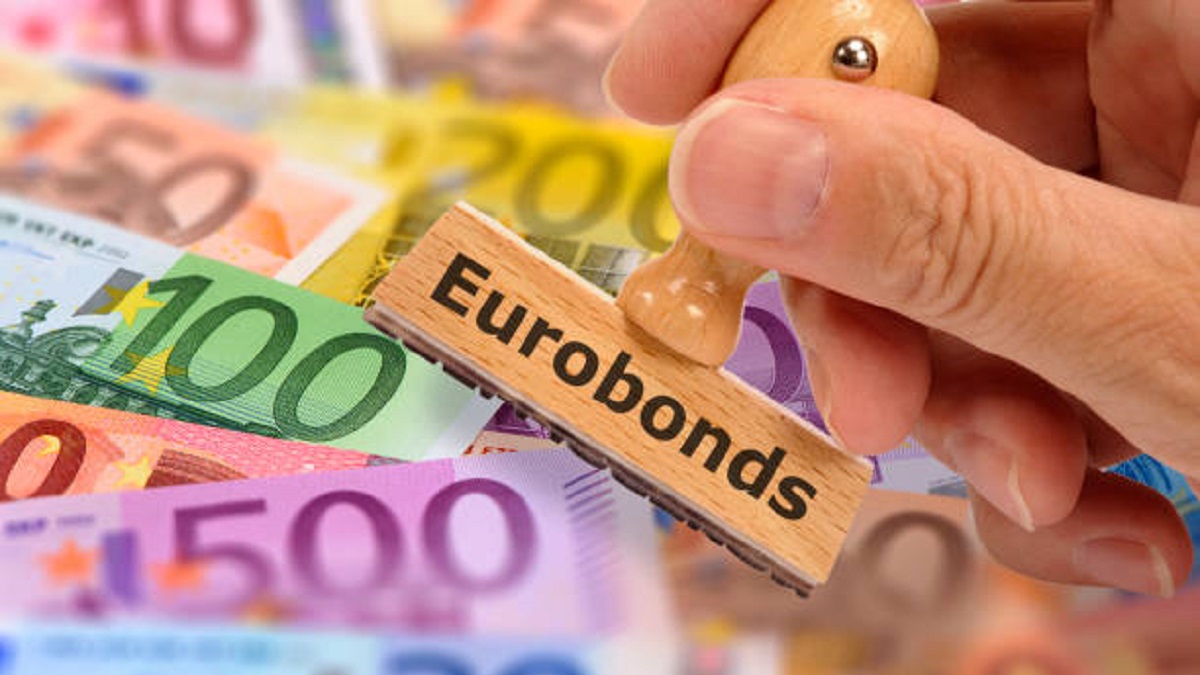
Nigeria’s efforts to refinance its external debt are facing renewed pressure as a global sell-off in bond markets pushes up borrowing costs, raising concerns about the Federal Government’s ability to manage maturing debt without placing additional strain on public finances.
The development comes as international investors demand higher returns to compensate for inflation risks, rising global interest rates and uncertainty in financial markets. These conditions could make it more expensive for Nigeria to raise fresh dollars through international bonds.
According to a report published by BusinessDay on October 9, 2026, the global bond sell-off is putting pressure on Nigeria’s Eurobond market and complicating the government’s refinancing plans.
Nigeria faces a $6.4 billion Eurobond repayment burden

The pressure is particularly significant because Nigeria has substantial foreign-currency debt obligations to manage. The World Bank estimates that Nigeria faces $6.4 billion in sovereign Eurobond principal repayments between 2024 and 2030, placing it among the countries with the largest repayment exposures in sub-Saharan Africa.
The challenge is not simply repaying existing debt. If the government issues new Eurobonds to replace maturing ones, it may have to accept higher interest costs than on its previous borrowing.
For context, Nigeria’s 2024 Eurobond issuances carried coupon rates of 9.6% and 10.4%, approximately three percentage points higher than comparable issues in 2021, according to the World Bank report cited by Punch.
Why the global bond sell-off matters
Higher borrowing costs: Rising international yields could force Nigeria to offer investors higher returns when issuing new dollar-denominated debt.
Greater pressure on government revenue: More money spent servicing debt leaves less available for infrastructure, healthcare, education and other public services.
Foreign-exchange exposure: Eurobond repayments are generally made in dollars, meaning the government must secure sufficient foreign currency to meet its obligations.
Refinancing risks: If global investors become less willing to buy Nigerian debt, the government may face more difficult or expensive options for meeting repayments.
The World Bank has warned that refinancing at higher interest rates can ease immediate repayment pressure while locking governments into more expensive debt servicing for years.
What this means for Nigeria’s economy
The key concern is whether Nigeria can manage its debt obligations while financing its budget and maintaining economic stability.
The International Monetary Fund’s 2026 assessment projected that Federal Government interest payments would absorb approximately 53.7% of federal revenue in 2026. This is a projection, not a final year-end outturn, but it illustrates the limited fiscal room available for additional borrowing costs.
Nigeria could reduce the pressure by strengthening non-oil revenue collection, managing expenditure, building foreign-exchange earnings and avoiding excessive reliance on short-term refinancing.
The bottom line: A global bond sell-off does not automatically mean Nigeria will default on its Eurobonds. It does, however, raise the potential cost of refinancing and increase the importance of credible fiscal management. The ultimate impact will depend on how international yields evolve, investor demand for Nigerian debt and the government’s capacity to meet its dollar obligations. (BusinessDay)
-

 Metro23 hours ago
Police arrest prophet’s son over alleged ₦18m Facebook fraud
-
Sports23 hours ago
Guardiola set for Man City return first time since guilty verdict
-
Politics10 hours ago
‘Tinubu Will Do Anything To Win This Election’ – Nigerians React To FG’s Fresh Moves
-
Business23 hours ago
JUST IN: Moove shuts down Nigeria operations, transfers vehicle ownership to customers
-
World News23 hours ago
FBI arrests 130 over Ghana scam-centre operation
-
Politics10 hours ago
2027: Only mad people will vote for Tinubu – Amaechi
-
News10 hours ago
Nigeria’s Economy Now On Stronger Footing – FG
-
Business23 hours ago
Lagos Life game is valued at $1bn — Creator, Shalom Rayhamen