Social Media News
China Passes Law Requiring Influencers To Hold Degrees

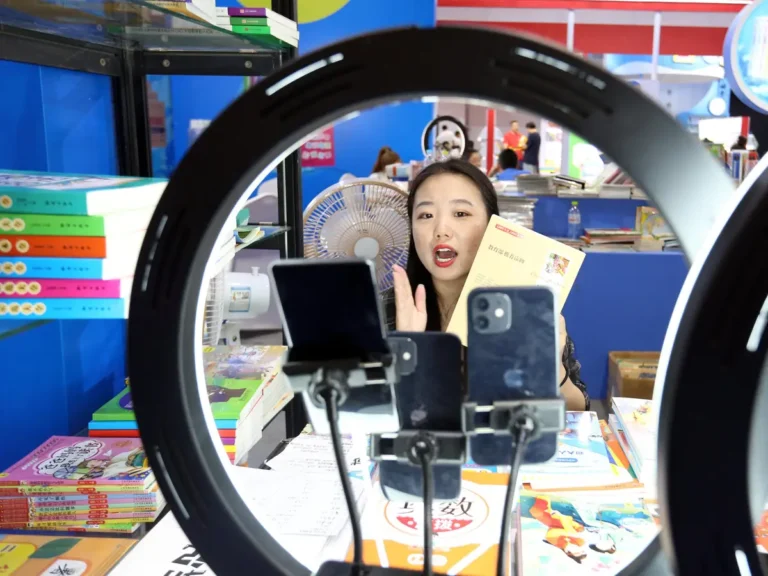
China has enacted a new law regulating social media influencers, requiring them to hold verified professional qualifications before posting content on sensitive topics such as medicine, law, education, and finance, IOL reported. The new law went into effect on Saturday.
The regulation was introduced by the Cyberspace Administration of China (CAC) as part of its broader effort to curb misinformation online.
Under the new rules, influencers must prove their expertise through recognized degrees, certifications, or licenses before discussing regulated subjects. Major platforms such as Douyin (China’s TikTok), Bilibili, and Weibo are now responsible for verifying influencer credentials and ensuring that content includes clear citations, disclaimers, and transparency about sources.
The CAC said creators must specify when their content is based on studies, reports, or dramatized using AI-generated elements. Platforms are also required to educate users about their responsibilities when publishing or sharing content.

The law bans online advertising for medical services, supplements, and health foods, targeting covert promotions often disguised as educational material. It also mandates that platforms strengthen oversight mechanisms to prevent false claims and misleading advice in areas that can directly affect public welfare.
Implementation of the new law follows a series of national campaigns against misinformation and online fraud. Chinese authorities said the regulation is intended to build “a clean and trustworthy online environment” where public information is accurate and responsibly shared.
While the law primarily targets professional sectors, it also signals Beijing’s growing attention to the role of influencers in shaping public opinion and consumer behavior. Platforms that fail to enforce the rules could face penalties or tighter regulatory scrutiny.
According to digital policy observers, the legislation is one of China’s most comprehensive efforts to date to formalize influencer activity and may serve as a model for future online content governance.
The CAC stated that the goal is not to limit creativity, but to ensure that “professional knowledge is shared by qualified individuals who can provide reliable guidance” in areas with high social impact.
The move comes at a time when misinformation poses a global threat.
Audiences expect influencers to be both creative and credible. Yet when they blur the line between opinion and expertise, the impact can be severe. A single misleading financial tip could wipe out someone’s savings. A viral health trend could cause real harm.
That’s why many believe it’s time for creators to acknowledge the weight of their influence. (ThatlamanGovay)

-

 Business24 hours ago
Dangote exports 87% of aviation fuel output as Nigeria records zero imports
-
Business24 hours ago
Nigeria’s $100 oil strengthens the case for freezing Gazelle crude
-
News23 hours ago
Asari Dokubo Challenges Olu Of Warri Over ₦2.7tn Pipeline Row, Says ‘Stop The Selective Criticism, Answer The Questions’
-
News24 hours ago
Ondo Crash: Residents Fear Disease Outbreak As Body Parts Float
-
Politics24 hours ago
Opposition dares Tinubu, says Wike, Soludo inclusion won’t save APC
-
News24 hours ago
Lassa fever spreads across 119 LGAs as death toll hit 268
-
Politics24 hours ago
2027: Tinubu Turns To Opposition Figures In Re-Election Survival
-
Politics24 hours ago
PVC Collection In Kano Impressive, Says INEC