News
Malaria now a rare disease in Lagos – Health commissioner

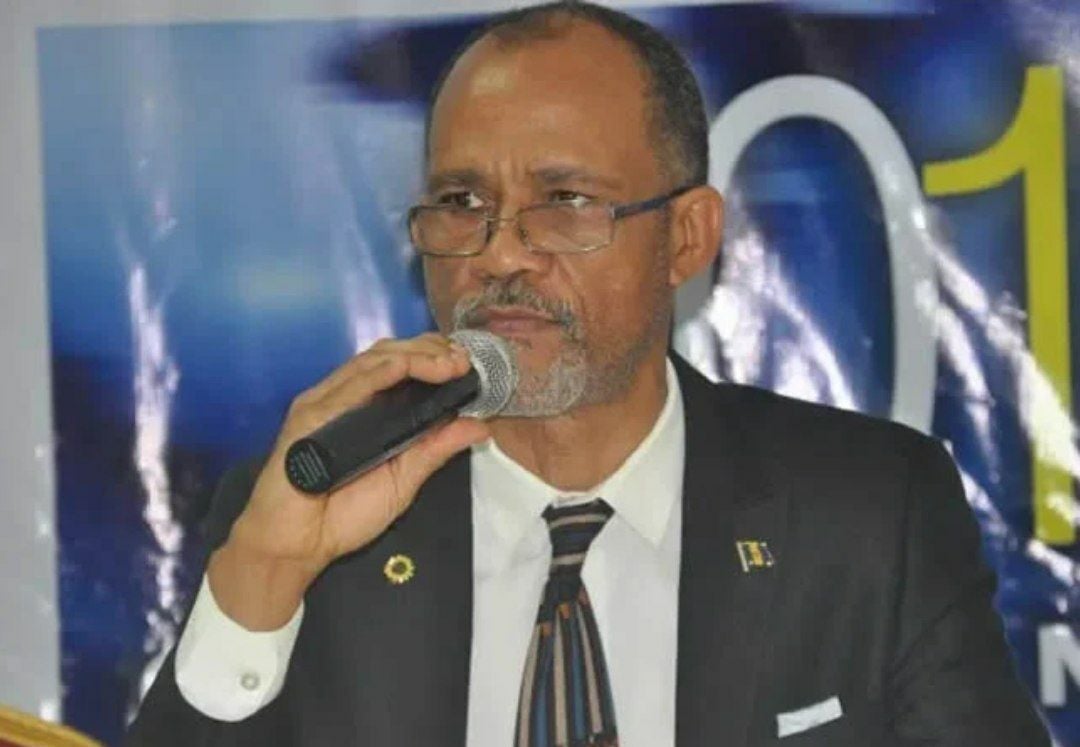
Malaria has become a rare disease in Lagos State, the Commissioner for Health, Prof. Akin Abayomi, has said.
He has also urged residents to question diagnoses and avoid unnecessary medications.
Abayomi said this in an interview with Channels Television on Saturday, highlighting the results of robust laboratory investigations conducted across the state.
“Malaria is now a rare disease in Lagos. Out of every hundred fevers in Lagos, about three or four are caused by malaria.

“And we’ve repeated this with some of the top scientists and the most robust laboratory investigation. So malaria is a rare disease in Lagos right now,” he said.
The commissioner advised residents to insist on seeing test results before accepting a malaria diagnosis.
“If they tell you that you have malaria, question it. Ask them to show you the results, the cartridge. It’s there. Your eyes can read it. It’s yes or no,” Abayomi said.
He also criticised the common “malaria-typhoid” diagnosis, calling it a “double jeopardy” that often leads to unnecessary treatments, including anti-malarial drugs, antibiotics, and painkillers.
According to him, many patients actually have viral illnesses that mimic malaria and would benefit more from rest and isolation rather than aggressive treatment.
“Part of the problem is Lagosians want to be diagnosed with malaria. because they want an injection or they want IV fluid.
“But sometimes, all you have is a viral illness that mimics malaria, which is what is happening in Lagos. This so-called malaria-typhoid diagnosis is an unknown. It’s a double jeopardy diagnosis. It’s a sledgehammer,” he said.
He stated that while Lagos is on the verge of eliminating malaria, he suggested that similar homegrown health solutions could be considered in neighbouring states like Ogun or Oyo, where malaria remains more prevalent.
According to Lagos State health authorities, malaria prevalence in the state has dropped significantly in recent years, with the latest figures showing about 1.3 per cent of fevers are caused by malaria.
The state government has linked this progress to programmes integrating public and private health facilities for better testing, case management, and data tracking, including digital tools for malaria surveillance.
Health authorities have repeatedly warned against presumptive malaria treatment, as misdiagnosis can lead to unnecessary medications and delayed care for the actual illness.(Punch)
-

 Business22 hours ago
Taiwo Oyedele admits to errors in new tax laws, says corrective measures underway
-
 News12 hours ago
Fuel Price Biting Hard But You Are Better Than Those In Kenya – Tinubu Tells Nigerians
-
Politics12 hours ago
Support Obafemi Hamzat as next Lagos governor – Faleke tells Lagosians
-
News12 hours ago
Outrage trails EFCC’s sponsorship of judges’ foreign trip
-
News22 hours ago
EFCC Spent N54Million To Sponsor Five Judges For London Symposium
-
Metro12 hours ago
Cancer fraud: Influencer Blessing CEO in fresh trouble
-
 Business22 hours ago
Mikano International Limited refutes false allegations against chairman
-
News12 hours ago
Ghost towns of Kwara: How banditry emptied thriving communities