Business
Dangote says no investment in East Africa refinery ‘without anti-dumping laws’

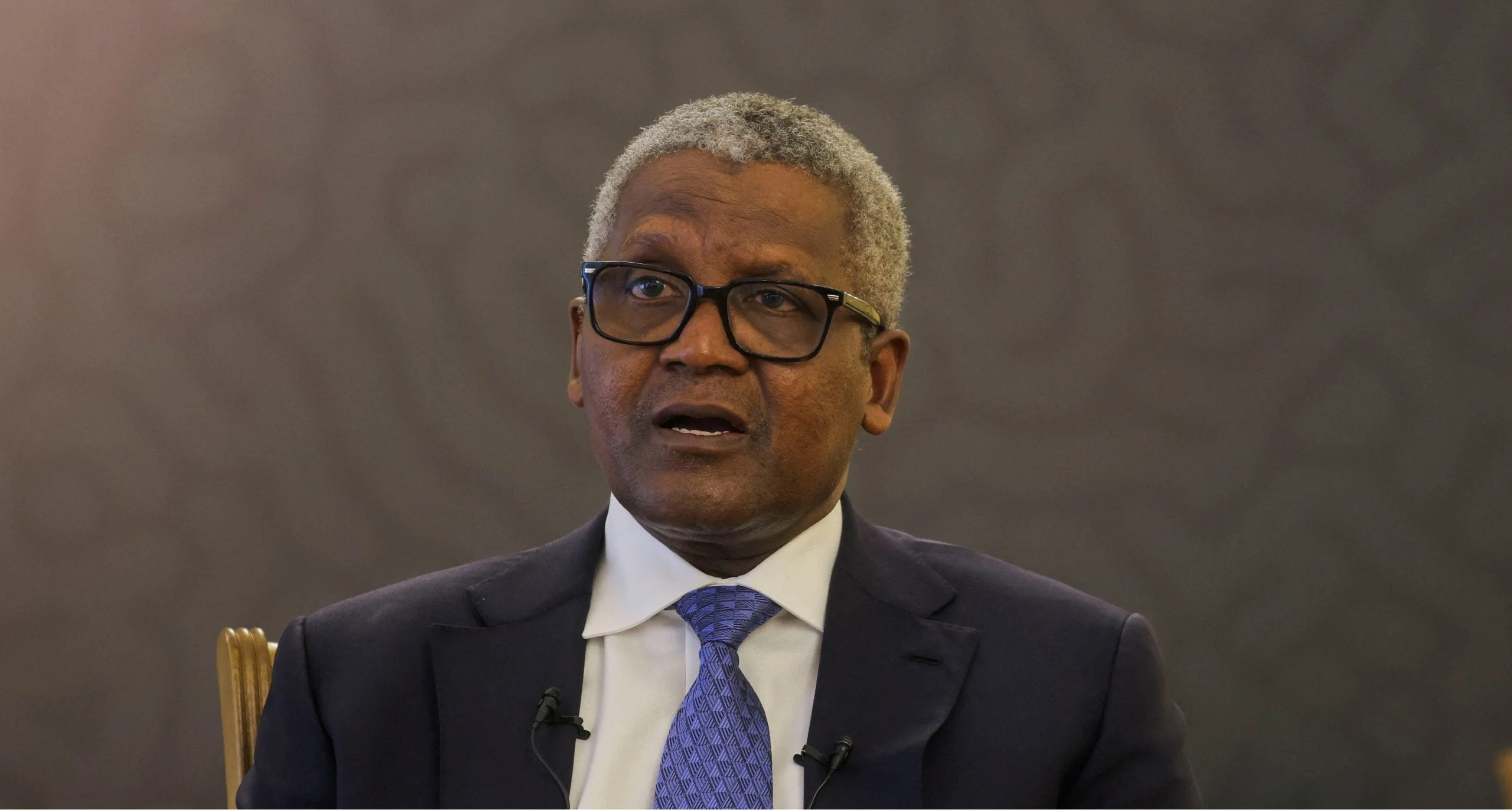
Aliko Dangote’s possible move into East Africa is emerging as the next test of his core industrial argument: Africa cannot build large domestic champions unless governments are prepared to protect them.
The Nigerian billionaire is considering a 650,000-barrel-per-day refinery in Mombasa, Kenya, according to the Financial Times. The project, estimated at $15bn-$17bn, would match the scale of his Lagos refinery and mark the most ambitious attempt yet to replicate that model outside Nigeria. Dangote is said to favour Mombasa over Tanzania’s Tanga for its deeper port, Kenya’s larger economy and higher fuel consumption.
But his condition is clear: he will not build without protection against dumped imports. “Anywhere where we are going to put up an industry, if they don’t have good anti-dumping laws and regulations, we will not invest in that place, no matter how good it is,” Dangote told The Africa Report on the fringes of the Africa Forward summit in Nairobi.
For Dangote, this is not a plea for special treatment. It is the price of industrialisation in markets where local companies face structurally higher costs than their foreign rivals. In Nigeria, he says, companies pay interest rates of about 30%, while competitors elsewhere borrow at 3%. African industry, in his telling, is being asked to compete on unequal terms.

He points to the United States to make the case. “If today President [Donald] Trump doesn’t protect the auto industry, I can assure you in two years all the auto industry in America will be dead,” he says.
‘We have to believe in ourselves’
Dangote’s wider argument is that Africa will not industrialise unless it creates and defends its own corporate giants. “If we don’t encourage industrial champions, we will never ever industrialise,” he said. “Industrialising a continent like Africa is not an easy job.”
He also sees a cultural problem. Africans, he says, too often prefer imported goods simply because they are foreign. “Some people would rather pay premium to foreign-produced goods than our local ones,” he said. “We have to believe in ourselves. Unless we believe in ourselves, we will never ever be able to progress.”
The precedent he cites is Nigeria’s cement industry. Under former president Olusegun Obasanjo, Abuja looked to South Korea’s growth model and used protection to help build a generation of Nigerian entrepreneurs. Dangote argues that his group would not have built cement capacity of more than 50 million tonnes a year without that protection from foreign competition.
His possible East African refinery would put that doctrine to the test. Kenya, Tanzania, Uganda, South Sudan and the Democratic Republic of Congo have been discussing a joint regional refinery to reduce dependence on imported petroleum products. In April, President William Ruto said the proposed project was under discussion around Tanga in Tanzania, while Dangote said he was ready to lead it if regional governments backed the plan.
Global supply shocks
With the Iran war pushing fuel prices ever higher, the case is obvious. East Africa imports refined fuel, leaving the region exposed to global supply shocks, freight costs and price spikes. A large refinery could give the region greater energy security and a new industrial anchor.
But Nigeria also shows the political difficulty of creating a champion. Dangote’s Lagos refinery has become a strategic asset, but its growing dominance has drawn scrutiny over pricing, imports and competition.
Dangote’s chief economist, Mahmud Hassan, has pushed back, arguing that allowing imports without strict standards would risk flooding Nigeria with substandard fuel, undermining domestic refining and weakening long-term energy security.
That is the bargain at the heart of Dangote’s pitch. Protection may be needed to build African industrial power. But once a champion dominates a strategic market, governments must decide how to balance sovereignty, competition and consumer prices.
(The Africa Report(
-

 News18 hours ago
Abuja Workers Turn To Pick-Up Trucks Amid Rising Transport Costs
-
 Politics23 hours ago
Security Operatives Guard Tinubu’s Billboards Ahead Campaign Launch
-
 News18 hours ago
Ebola patient in Nigeria is Swiss, had not visited DR Congo – Foreign Ministry
-
Politics18 hours ago
Results With Discrepancies Won’t Be Uploaded On IREV – INEC
-
 News18 hours ago
Zamfara Community Fights Back
-
Politics18 hours ago
2027: You Can’t Hide Voters’ Register And Expect Trust – Atiku Tells INEC
-
Politics18 hours ago
South-East has better presidential options than Peter Obi – Umahi
-
Metro18 hours ago
Fasoranti To Be Buried December 17 – Family