News
Ondo ready for state police, says Aiyedatiwa

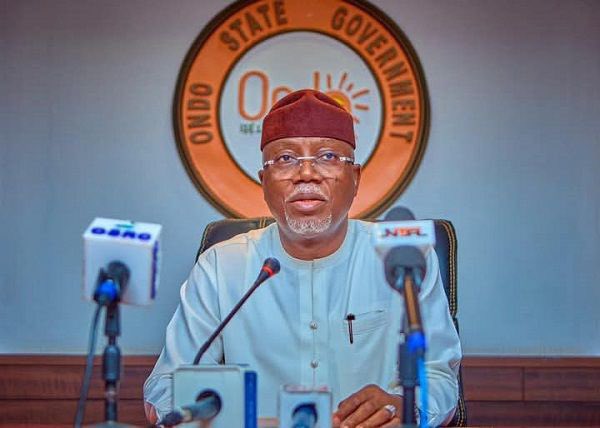
The Ondo State Government has declared its readiness for the establishment of state police, saying existing security structures are already positioned to support the initiative once it receives federal approval.
Governor Lucky Aiyedatiwa made the declaration at the Democracy Day anniversary lecture in Akure on Friday, where he described insecurity as one of the most serious threats to Nigeria’s democratic stability.
He said the state had already built a foundation that could easily transition into a state policing system, while calling for additional support in equipment and logistics.
“The state is fully prepared for the establishment of State Police,” Aiyedatiwa said. “The structures are already in place; what we now require is more sophisticated equipment to enhance effectiveness.”

The governor also pointed to ongoing efforts to strengthen the state’s existing security framework, including the Amotekun Corps, which operates across the South-West region.
He disclosed that the administration is expanding the corps through improved welfare packages and the recruitment of 500 additional personnel to boost security operations across the state.
The event also featured contributions from former Edo State governor Adams Oshiomhole, who used the occasion to reflect on Nigeria’s democratic journey and the significance of June 12.
Oshiomhole paid tribute to the late Moshood Kashimawo Olawale Abiola, describing him as a symbol of courage and democratic resilience.
He also expressed support for President Bola Ahmed Tinubu’s economic reforms and urged the return of History as a core subject in schools to strengthen civic awareness.
“We must not forget where we are coming from,” he said, calling for greater national consciousness and education reforms.
Elder statesman Olu Falae also addressed the gathering, reflecting on the sacrifices made during the June 12 struggle and warning against any return to military rule.
He urged Nigerians to remain vigilant in protecting democratic institutions and preserving the gains of civilian governance.
The lecture ended with broader calls for stronger security architecture, improved governance, and peaceful participation in future elections, including the 2027 general polls.
-

 News18 hours ago
FACT CHECK: Is Uganda Govt Right About Nationality Of Nigeria’s First Ebola Patient?
-
 News15 hours ago
Hardship: Nationwide labour action looms as talks deadlock
-
Politics23 hours ago
2027: El-Rufai betrayed us – Ex-Chief of Staff
-
News18 hours ago
Bandits kill teacher, two others in Sokoto ambush
-
News24 hours ago
Ebola: UN expresses confidence in Nigeria’s containment efforts
-
News15 hours ago
Court grants ICPC’s prayer to play CCTV footage in El-Rufai’s N10bn suit
-
Politics23 hours ago
Sowore claps back after Senator Ajibola called him ‘skit maker’
-
Sports23 hours ago
Maradona doctor was made ‘scapegoat’ for his death, court told