Opinion
Xenophobic attacks and ANC’s leadership failures

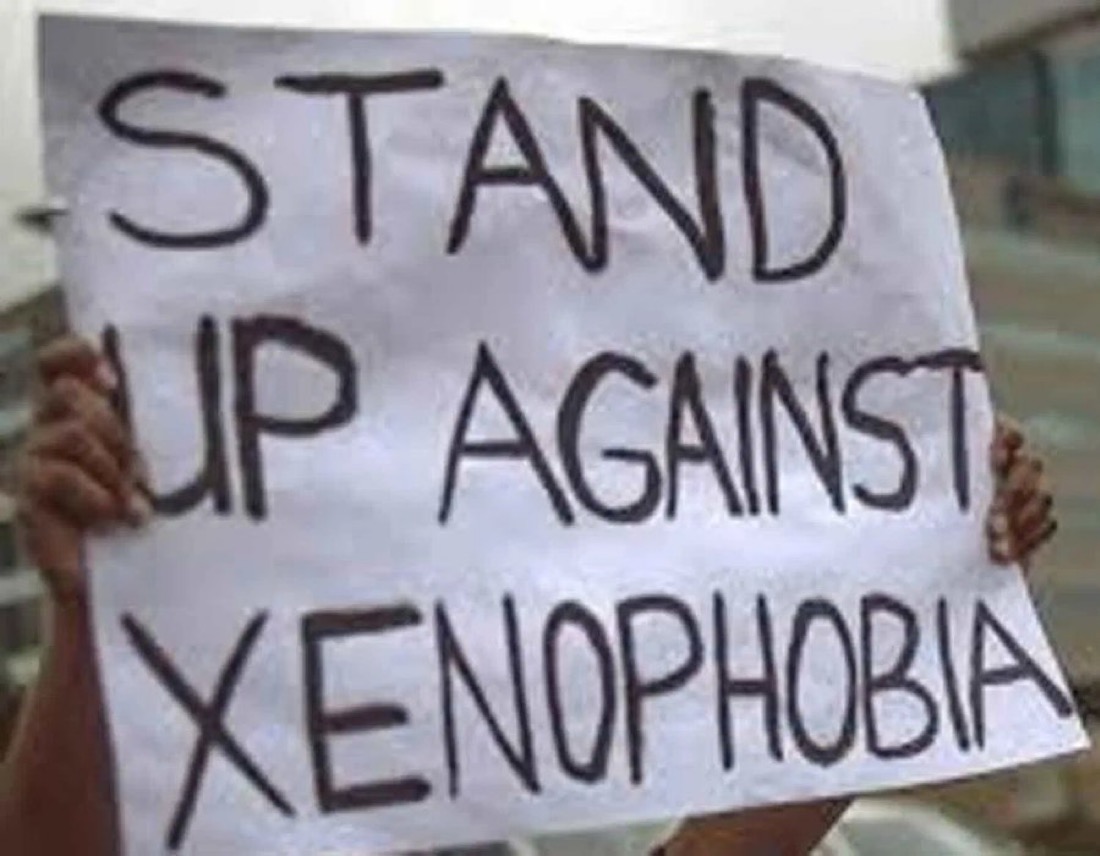
South Africa is once again disgracing itself. The latest wave of xenophobic attacks against African migrants, including Nigerians, Zimbabweans, Mozambicans and Somalis, has reopened wounds that should have healed after the shameful outbreaks of 2008, 2015 and 2019. Shops have been looted, businesses destroyed, homes abandoned and livelihoods shattered simply because fellow Africans crossed borders in search of opportunities. For a nation whose freedom was sustained by the solidarity of the rest of Africa, this is an unforgivable betrayal.
These recurring attacks can no longer be dismissed as isolated criminality. They expose a profound failure of political leadership. More than three decades after Apartheid, the African National Congress (ANC) has faailed to eradicate a culture of intolerance that periodically erupts into violence. Xenophobia persists because perpetrators have learnt that outrage soon fades, prosecutions are rare and political consequences are almost non-existent.
South Africa’s economic hardships are real. Unemployment is stubbornly high, inequality remains among the worst in the world, public services are deteriorating and crime is rife. But none of these problems was created by immigrants. Successive governments have too often allowed migrants to become convenient scapegoats for policy failures, while reckless political rhetoric has inflamed public resentment instead of promoting social cohesion and respect for the rule of law.
Nigeria has every reason to be outraged. Throughout the anti-apartheid struggle, no African nation demonstrated greater commitment to South Africa’s liberation. Successive Nigerian governments financed the liberation movement, championed international sanctions against the apartheid regime, offered scholarships to South African exiles and deployed relentless diplomatic pressure for majority rule.

Ordinary Nigerians willingly contributed to the Southern African Relief Fund and accepted economic sacrifices because they believed South Africa’s freedom was Africa’s collective responsibility. The media and musicians maintained global awareness of the struggle.
Nigeria’s generosity did not end with liberation. It welcomed South African investments, opening one of Africa’s largest markets to companies such as MTN, MultiChoice, Stanbic IBTC and Shoprite, which have earned enormous profits from Nigerian consumers. That openness reflected genuine faith in African brotherhood.
Enough is enough. Nigeria must abandon routine diplomatic protests and demand enforceable guarantees for the safety of its citizens. Pretoria must prosecute perpetrators swiftly, compensate victims and dismantle networks that incite xenophobic violence. Abuja should review bilateral agreements, subject South African commercial interests to reciprocal regulatory scrutiny where appropriate and work with other affected African countries to place the matter before the African Union (AU). The AU itself must stop treating attacks on Africans as South Africa’s internal affair.
South Africa cannot continue to enjoy the benefits of African solidarity and economic leverage while failing to protect fellow Africans within its borders. Until its government takes timely, decisive action, South Africa’s moral authority will remain diminished and stigmatised within and outside the continent.
•Vanguard Newspaper Editorial
-

 News15 hours ago
UK universities withdraw admission offers to Nigerians over visa crackdown
-
News14 hours ago
Why kidnappers target NYSC members — Security experts
-
Politics14 hours ago
2027: Protest, relief as INEC releases final candidates’ list
-
News15 hours ago
Benue: Suspected herdsmen kill nine in fresh Ukum attacks
-
Politics14 hours ago
2027: Opposition, APC clash over campaign funding
-
World News15 hours ago
US gunman shoots dead 7 relatives, family friend
-
Business15 hours ago
Fitch revises Nigeria’s outlook to positive, affirms ‘B’ rating
-
Opinion14 hours ago
Did Obi actually win in 2023?