World News
1500 Ships, 20,000 Crew Members Stranded In Gulf Region Amid Hostilities In Strait Of Hormuz

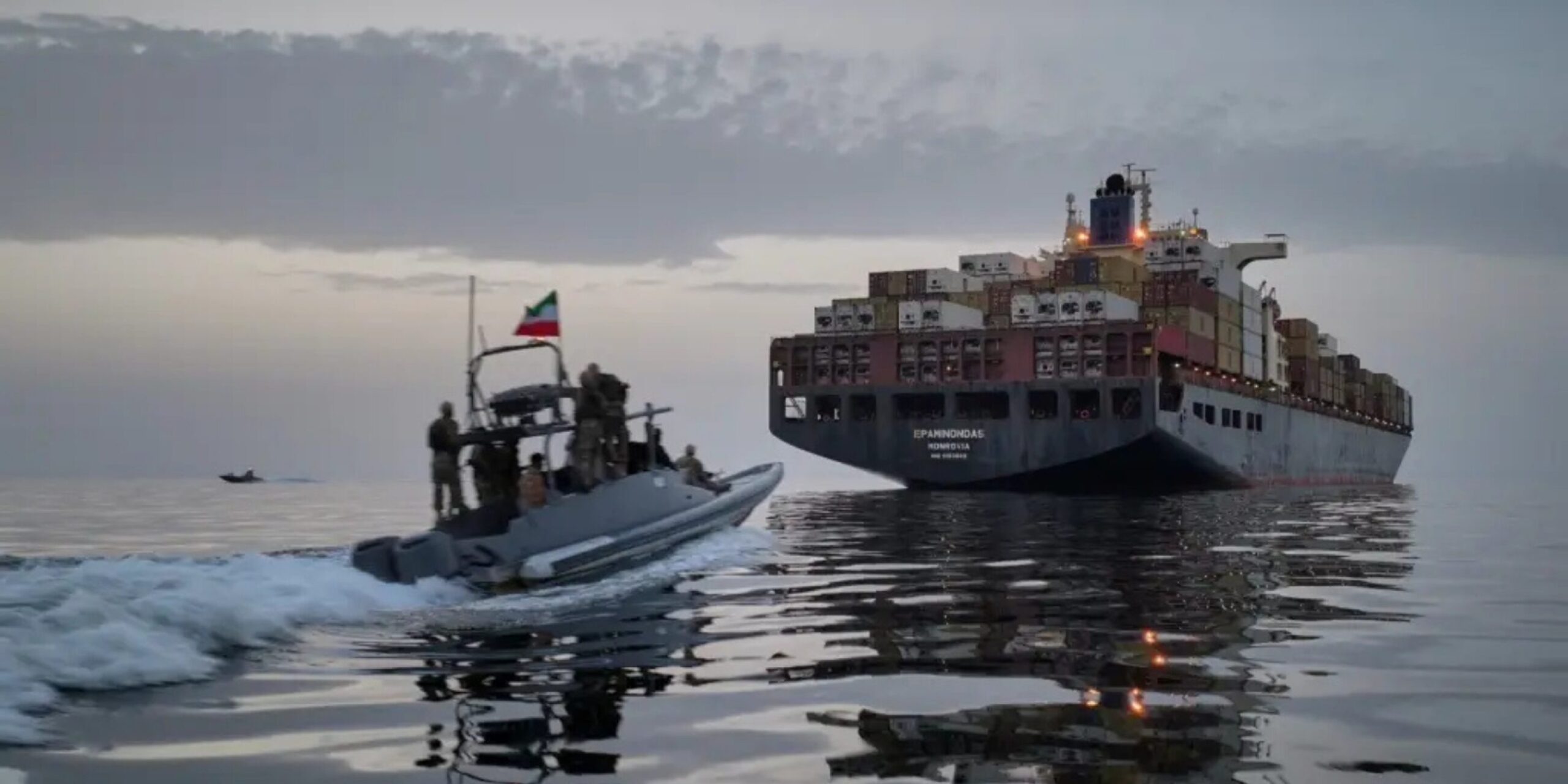
No fewer than 1,500 ships and about 20,000 crew members are currently stranded in the Gulf region following escalating hostilities in the Middle East and disruptions along the Strait of Hormuz, the United Nations’ maritime agency has disclosed.
The Secretary-General of the UN’s International Maritime Organisation (IMO), Arsenio Dominguez, revealed the figures while speaking at the Maritime Convention of the Americas in Panama.
Dominguez warned that the worsening crisis around the Strait of Hormuz has significantly disrupted global shipping operations, leaving vessels unable to safely navigate one of the world’s busiest maritime trade corridors.
He said approximately 20,000 crew members remain trapped aboard the affected vessels as uncertainty and security concerns continue to mount in the Gulf.

The development comes amid rising tensions involving the United States, Israel and Iran, following months of military confrontations that have destabilised the region and threatened global oil supply chains.
Earlier, SaharaReporters reported that the President of the United States, Donald Trump, issued a fresh warning to Iran, threatening intensified military action if Tehran fails to comply with conditions set by Washington to end the conflict.
In a statement posted on his Truth Social platform, Trump suggested that the ongoing blockade around the Strait of Hormuz could be lifted if Iran agrees to terms previously discussed.
“Assuming Iran agrees to give what has been agreed to, which is, perhaps, a big assumption, the already legendary Epic Fury will be at an end, and the highly effective Blockade will allow the Hormuz Strait to be OPEN TO ALL, including Iran,” Trump wrote.
He further warned: “If they don’t agree, the bombing starts, and it will be, sadly, at a much higher level and intensity than it was before. Thank you for your attention to this matter!”
The latest threat comes against the backdrop of the ongoing conflict involving the United States, Israel and Iran, which reportedly began in late February 2026 after joint US-Israeli airstrikes targeted Iranian facilities.
The strikes triggered retaliatory missile and drone attacks by Iran across several parts of the Middle East, escalating the confrontation into a wider regional crisis.
Iran subsequently shut down the Strait of Hormuz, a strategic waterway through which a significant portion of the world’s crude oil shipments passes daily. The closure prompted the United States to launch military operations and impose a naval blockade aimed at reopening the route and restoring global shipping activities.
Maritime experts have warned that the continued closure of the Strait could worsen global energy prices, disrupt supply chains and expose thousands of seafarers to prolonged danger and uncertainty.
-

 Politics6 hours ago
2027: Atiku demands names of firms printing INEC’s ballot papers
-
Business6 hours ago
Nigeria’s debt interest soars 124% above revenue
-
Business5 hours ago
Refiners back forward crude sales, oppose petrol price cap
-
 News5 hours ago
World Bank report affirms reform gains — Tinubu
-
Politics5 hours ago
Crude shortfall makes Atiku’s subsidy plan not workable – Presidency
-
Business5 hours ago
How 18yrs multiple gas policies sidelined domestic consumers
-
News5 hours ago
NDLEA Arrests 83-Year-Old Woman Again, Intercepts Drugs At Nigerian Airports
-
Politics5 hours ago
2027: Tinubu can break Obi’s Southeast hold – Group