African News
Zimbabwe to return land Mugabe seized from white farmers

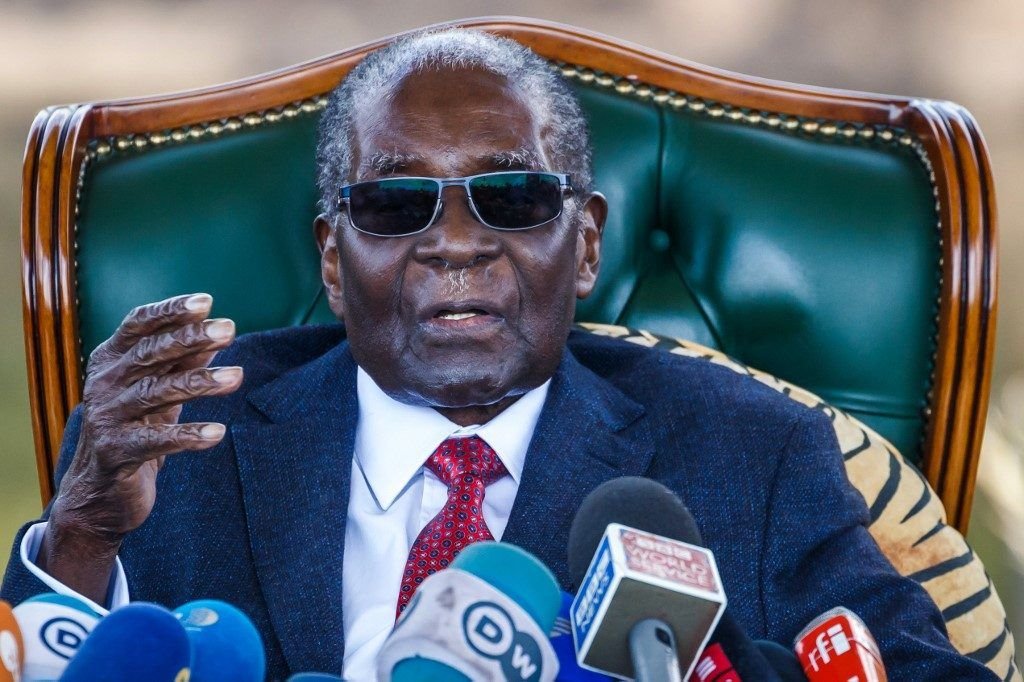
Zimbabwe will return dozens of foreign-owned farms seized more than two decades ago during a land reform drive, but is not reversing the contested policy, the agriculture minister said Friday.
The land grab was launched by longtime ruler Robert Mugabe in 2000, with thousands of white farmers evicted, often violently, and their land redistributed to black Zimbabweans to address colonial-era injustices.
The policy triggered sanctions, deepening the country’s economic isolation by limiting its access to the international banking system.
The government will return 67 farms covered by bilateral investment pacts “but which remained unoccupied” to the investors, Agriculture Minister Anxious Masuka said in a statement.

The investors are from Denmark, Germany, the Netherlands and Switzerland.
More than 400 white farmers would be allowed to buy back all or part of their farms, Masuka said.
A further 840 farms belonging to black Zimbabweans will be restored to their owners, he said.
“Land was a core grievance against the heinous and minority settler oppressive regime. This drove thousands of blacks to wage an armed struggle to liberate ourselves from the shackles of oppression,” the minister said.
“Now the people are with their land and the land with its masters. Land reform is, therefore, irreversible.”
Critics have dismissed the announcement — first made in parliament earlier this week — as government flip-flopping.
Social justice activist Tendai Mbofana told AFP that Zimbabwe’s land policy has been driven by political expediency, “characterised by a jarring disconnect between its revolutionary rhetoric and its pragmatic concessions”.
In 2020, Mugabe’s successor, President Emmerson Mnangagwa, struck a deal to pay compensation of $3.5 billion to about 3,500 commercial farmers evicted in the botched land reform.
But saddled by a debt of more than $21 billion, Zimbabwe has struggled to honour the commitment.
In 2023, it changed the offer to one per cent in cash with the remainder in US-dollar-denominated Zimbabwean treasury bonds with two per cent interest.
Zimbabwe is seeking to repair relations with Western creditors through an arrears clearance and debt resolution process.
Once renowned as a breadbasket, the southern African country now suffers from chronic food shortages.
AFP
-

 News11 hours ago
BREAKING: NLC Disrupts Lagos Flight, Air Peace Passengers Stranded
-
 Metro11 hours ago
How Female Student Died On Lagos Campus – Law School
-
News11 hours ago
Security Operatives Abandon Kebbi Highway Over Lakurawa Attacks
-
Business11 hours ago
Dangote, NUPRC differ over Q2 crude supply
-
News11 hours ago
17 Bandits, 10 Police Officers Killed In Zamfara
-
Metro10 hours ago
Uncertainty over Peller and Jarvis’ new N400m Abuja mansion as ‘original land owner’ storms court, petitions Tinubu, Wike
-
News11 hours ago
PFIPC: Atiku raises concern over loopholes in Tinubu’s government
-
Business10 hours ago
Finance Ministry Queries NAICOM, Suspends 1% Capital Fee, Escrow Directive