News
Despite Rising Debt Concerns, World Bank Approves Fresh $1.25bn Loan for Nigeria

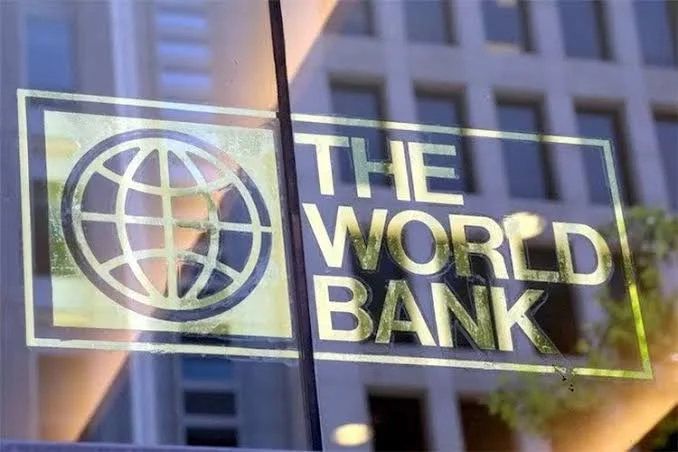
The World Bank has approved a fresh $1.25 billion loan for Nigeria under its Nigeria Actions for Investment and Jobs Acceleration (NAIJA) programme, despite growing public concerns over the country’s rising debt profile.
The approval was announced on Wednesday alongside the launch of the World Bank’s new Country Partnership Framework for Nigeria covering 2026 to 2032, aimed at boosting private sector-led growth and creating more jobs.
According to the bank, the financing will support reforms to deepen capital markets, modernise the digital economy, expand electricity access, strengthen agriculture, improve revenue generation and reduce trade barriers under ECOWAS and the African Continental Free Trade Area (AfCFTA).
The framework also targets electricity access for 32 million Nigerians, broadband connectivity for 58 million people, improved health and nutrition services for 40 million citizens, and support for 9.5 million farmers.

World Bank Country Director for Nigeria, Mathew Verghis, said the goal is to turn recent economic reforms into tangible benefits for citizens.
“The recent macroeconomic gains have been critical to help stabilise the economy. Translating improved macroeconomic conditions into better living standards will require addressing the structural constraints to spur private sector investment and job creation,” he said.
The approval comes amid criticism of the Federal Government’s continued reliance on external borrowing, with many Nigerians questioning why rising debt has not translated into improved living standards.
According to the Debt Management Office, Nigeria’s debt to the World Bank increased from $17.81 billion at the end of 2024 to $19.89 billion by December 2025—an increase of $2.08 billion. The World Bank now accounts for 38.36% of Nigeria’s total external debt of $51.86 billion.
The new facility is the second-largest World Bank loan secured by President Bola Tinubu’s administration after the $1.5 billion economic reform financing approved in June 2024.
-

 News5 hours ago
Ebola: Don’t panic – FG tells Nigerians
-
News21 hours ago
FCT Ebola patient is a diplomat whose condition has deteriorated, says NCDC
-
News24 hours ago
Military Replaces Pension Board Chair Amid Faceoff With Veterans
-
News5 hours ago
Gas leak: Ogun schools shut, over 100 pupils hospitalised
-
Sports5 hours ago
Como Humiliates Manchester United 4-1, Osimhen Scores In Galatasaray UCL Win
-
Metro23 hours ago
Man arrested after allegedly taping wife to chair to watch football ‘in peace’
-
News5 hours ago
Italy rejects 2,220 Nigerians seeking asylum
-
News5 hours ago
State Police: Ekiti, Kebbi endorse bill, tally hits 15