Business
Egypt’s net foreign reserves surpass $50 billion for first time, driven by tourism and remittances

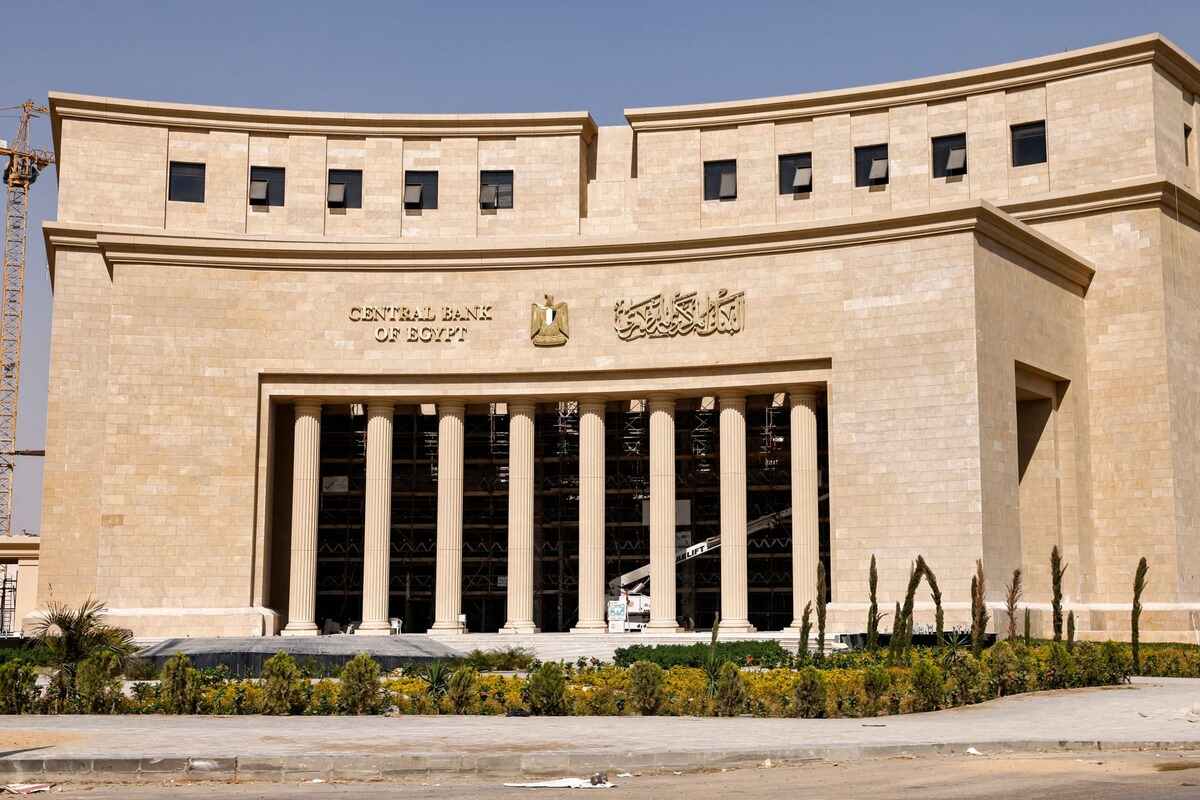
Egypt has reached a historic milestone with its net foreign reserves surpassing the $50 billion mark for the first time as of October 2025. The Central Bank of Egypt (CBE) announced that the country’s foreign currency reserves rose to approximately $50.071 billion, up from about $49.533 billion at the end of September 2025, marking an increase of $538 million within a single month.
Egypt’s foreign reserves comprise a diversified basket of major global currencies including the US dollar, euro, British pound, Japanese yen, and Chinese yuan, in addition to significant gold holdings. In October 2025, gold reserves increased notably to $16.545 billion from $15.843 billion in September, an upsurge of $702 million, while foreign currency reserves slightly dipped from $33.649 billion to $33.350 billion.
Current reserve levels exceed safety thresholds
These reserves play vital roles in the Egyptian economy by securing essential imports, servicing external debt obligations including principal and interest payments, and acting as financial buffers amid global uncertainties. The current reserve level is sufficient to cover about 8.3 months of Egypt’s commodity imports, significantly exceeding internationally accepted safety thresholds. This coverage strengthens the country’s ability to maintain exchange rate stability and meet international financial obligations.
Multiple factors have contributed to the steady increase in Egypt’s foreign exchange reserves over the past year. These include robust inflows from key economic sectors such as remittances from Egyptians working abroad, revenues from the Suez Canal, tourism recovery, export proceeds, and foreign direct investment. The Central Bank’s recent monetary and economic reform measures have also played a decisive role in stabilizing macroeconomic indicators and enhancing dollar liquidity.

Economic analysts highlight the impact of higher remittance inflows and the resurgence in tourism, which have been critical in driving up foreign currency inflows. Additionally, strategic management of the foreign exchange portfolio by the CBE, adjusting the allocation among major currencies based on global exchange rate stability, has optimized reserves’ value.(Middle East Economy)
-

 Business23 hours ago
Africa’s biggest bank targets stake in OPay ahead of IPO – Report
-
Business17 hours ago
NAFEM turnover rises to $1.41bn as FX activity rebounds
-
News17 hours ago
With over 14,000 workers, n’assembly is world’s busiest parliament, says Clerk
-
News3 hours ago
BREAKING: Davido was target of Osun convoy attack – Police
-
News17 hours ago
36 states’ budgets jump 47% to N40tn, capital spending falls
-
News9 hours ago
Lagos, Ogun declare Thursday public holiday to celebrate Isese festival
-
Sports17 hours ago
Williams sisters lose on doubles return
-
News2 hours ago
FG moves to decriminalise attempted suicide in Nigeria